As an Amazon Associate I earn from qualifying purchases.
A haircut that looked perfect on someone else can fall flat on you within a week, and the difference is rarely the stylist. It is geometry. The same length, layers and part do opposite things to different face shapes, adding width where one face needs it and length where another is already long. This guide shows you how to identify your face shape honestly, then choose cut, length and part to match it, so the photo you bring to the salon is one your own face can actually wear.
The Fashion Updates
Geometry First, Then the Cut
Find your face shape, then set length, layers and part to match it, with a consultation checklist that prevents disappointing cuts.
Key Takeaways
- Identify your face shape by proportions, not by a quiz: pull your hair back and compare forehead, cheekbone and jaw width, plus the face’s length against its width.
- Oval faces can wear almost any cut, so their decisions are about hair texture and upkeep; long faces need width at the sides and should avoid height on top and very long, straight lengths.
- Round faces need height and length to counter width; square faces need softness and movement around a strong jaw, not blunt lines that echo it.
- Heart faces need fullness at the jaw; diamond faces need width at the forehead and jaw and softness at the cheekbones, which are their widest point.
- Texture changes every answer: the right cut for a shape in straight hair can be the wrong cut for the same shape in curls, so decide shape and texture together.
Table of Contents
- Key Takeaways
- Find Your Face Shape First
- Oval and Long: Protect the Balance, Add the Width
- Round and Square: Length and Softness
- Heart and Diamond: Fill the Gaps
- Length, Layers and the Part: The Three Dials
- Fringe and Volume: Small Moves, Big Shifts
- Texture Changes the Answer
- The Consultation: Getting the Cut You Asked For
- Our view
- Frequently Asked Questions
- Sources
- Recommended
Find Your Face Shape First
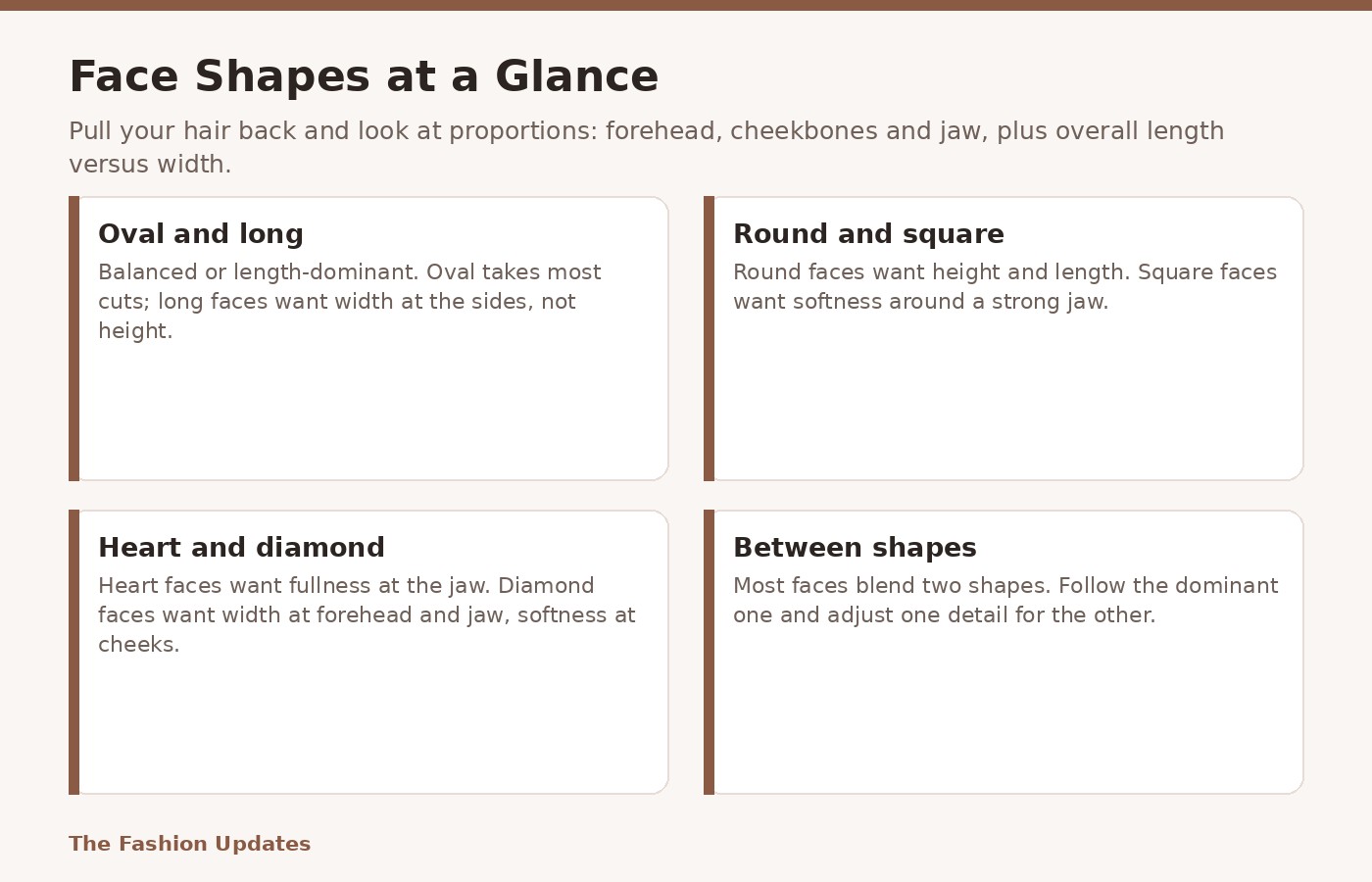
Face shape is proportion, and proportion can be measured. Pull your hair fully back, stand in even light, and look at four things: the width of your forehead, the width of your cheekbones, the width and angle of your jaw, and the length of the face from hairline to chin against its widest width. L’Oréal Paris sets out the same identification method in its guide on how to find the best haircut for your face shape: establish the shape first, then let the shape, not the trend, choose the cut.
| Proportions you see | Shape | What the cut must do |
|---|---|---|
| Balanced widths, length slightly more than width, no sharp angles | Oval | Almost anything works; choose by texture and upkeep |
| Like oval but noticeably longer than wide | Long (oblong) | Add width at the sides, avoid height and extreme length |
| Width and length close, soft curves, no strong angles | Round | Add height and length, keep sides close |
| Widths close, jaw wide and angular | Square | Soften the jaw with layers, waves and off-center parts |
| Forehead widest, chin narrow and pointed | Heart | Add fullness at the jaw, keep the top quieter |
| Cheekbones widest, forehead and jaw both narrow | Diamond | Add width at forehead and jaw, soften the cheeks |
A phone helps more than a mirror: take a straight-on photo with your hair back and look at the outline without posing. Most faces blend two shapes, usually a dominant one with a secondary trait, a square jaw on an otherwise oval face. Follow the dominant shape and adjust one detail for the trait. The same face-first logic governs eyewear, which is why our sunglasses face shape guide starts from the identical measurement.
Glasses, features and the honest outline
Take the photo without glasses, because frames redraw the outline and can make a round face read square or a long face read longer. Strong features, a prominent nose, a high forehead, do not change the shape, but they do change which detail of the cut matters most. Note them before the consultation; a good stylist will ask, and having the answer ready saves the appointment’s first ten minutes.
Shape is the start, not the sentence
Shape narrows the field; it does not pick the final cut. Hair texture, density, growth patterns and how much daily styling you will honestly do all vote too, and later sections give them their say. It is the same one-system thinking our capsule wardrobe guide applies to clothing: a few measured decisions, made once, that every later choice can build on. What shape does is disqualify: it tells you which fashionable cut is quietly working against your proportions, so you stop bringing it to appointments.
Oval and Long: Protect the Balance, Add the Width
The oval face is the reference shape: balanced widths, gentle curves, length modestly greater than width. It is also the shape most of the iconic cuts in our fashion history basics explainer were designed on, which is why those cuts photograph well on so many faces. Nearly every cut family works, which makes the oval’s real decision texture and maintenance, covered later in this guide. L’Oréal’s haircut ideas hub shows the range this shape can carry, from pixie to waist length, and the pattern in what succeeds is that the cut is chosen for the hair, not against the face.
Long faces: width is the whole brief
The long, or oblong, face shares the oval’s balance but stretches it: length clearly dominates width. Every choice should add horizontal interest and refuse vertical help. Shoulder and chin lengths with waves or curls through the sides put width where the face lacks it. A fringe straight across shortens the face visually by capping its length. Avoid height at the crown, center parts on very long straight hair, and lengths well past the shoulders worn flat, because each one adds inches to a face that is already long.
The fringe decision for both shapes
Oval faces can take a full fringe, a curtain fringe or none; choose by forehead and by how often you will trim it. Long faces should treat the fringe as a tool, not an accessory: a blunt or curtain fringe is often the single most effective change available, worth more than any layering. If you wear makeup daily, our foundations guide shows how base placement interacts with a fringe line, because the two meet at the hairline every morning. A fringe also moves attention down to the mouth, which is why lip emphasis tends to rise when a fringe appears; our lip plumpers guide covers the product side of that shift.
Round and Square: Length and Softness
Round and square faces share a measurement, width close to length, and differ in one thing: angles. The round face is all curves, with full cheeks and no strong corners. The square face has the same proportions drawn with a ruler: a wide, defined jaw and a straighter hairline. Their cuts solve opposite problems, so telling them apart at the mirror matters more than any other distinction in this guide.
Round: height up top, length below the chin
A round face wants the eye to travel vertically. Height at the crown, a deep side part, and lengths that fall below the chin all stretch the outline. Long layers that start below the chin keep the sides close while the ends move. Avoid chin-length bobs that end at the widest point, center parts on flat hair, and full fringes, which shorten the face further. Garnier’s hair styling tips cover the blow-drying technique that builds crown height without backcombing, which is the daily version of this cut’s whole strategy.
Square: soften the jaw, break the lines
A square face wants its strong jaw framed, not echoed. Layers, waves and curls that move around the jaw soften its angle; a side part breaks the face’s symmetry so the eye stops measuring it. Shoulder lengths and longer give the softness room to work. Avoid blunt one-length cuts ending at the jaw, straight-across fringes and sleek center-parted styles, each of which underlines the geometry you are trying to relax. Matrix’s hairstyle ideas show how layer placement, more than length, does the softening, which is why two square-faced clients can leave with different lengths and the same logic.
Heart and Diamond: Fill the Gaps
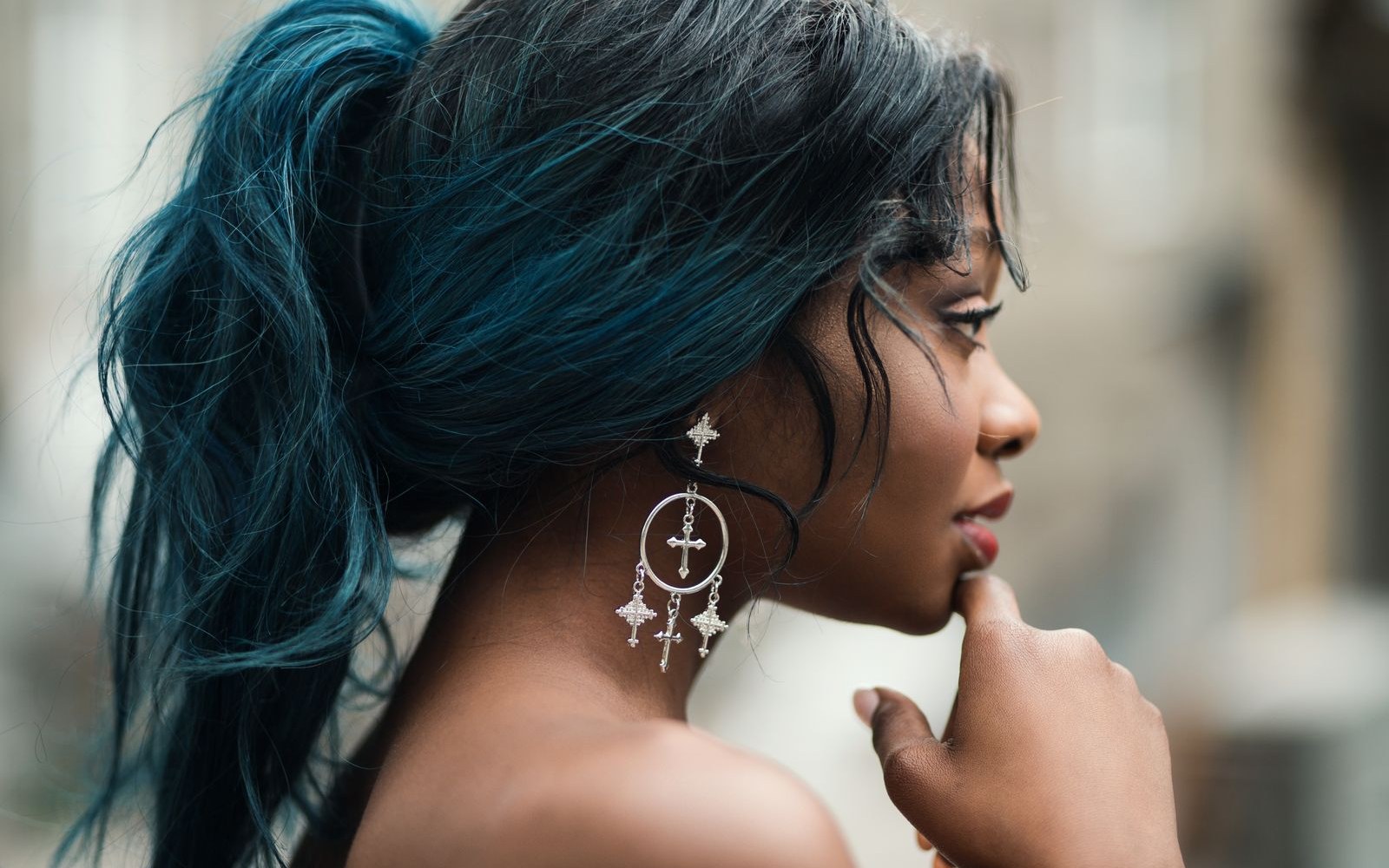
Heart and diamond faces are mirror problems. The heart face is widest at the forehead and temples and narrows to a small, sometimes pointed chin. The diamond is widest at the cheekbones, with both forehead and jaw narrower. Each cut succeeds by putting fullness where the face is narrow and keeping it away from where the face is already wide.
Heart: fullness at the jaw, quiet at the top
Chin and shoulder lengths that flip, wave or curl at the ends add the missing width exactly at the jaw. A side-swept fringe narrows the forehead without a hard line. Keep volume away from the crown and temples, and be careful with very short cuts that leave the top heavy and the chin exposed. A lob with movement at the ends is this shape’s most reliable cut, because it fills the gap and asks almost nothing in daily styling.
Diamond: width at both ends, softness in the middle
The diamond face needs the opposite placement: fullness at the forehead and jaw, and nothing extra at the cheekbones. Fringes and chin-length layers widen the two narrow zones; tucking hair behind the ears opens the jaw area and shows it off. Avoid center parts with flat sides that expose the full cheekbone width, and volume concentrated at the cheeks. Because this shape’s angles are its elegance, the goal is framing, not disguise. Our skin undertone guide pairs well with this section if a color change is part of the same appointment, since color placement follows the same widen-and-soften map.
Length, Layers and the Part: The Three Dials
Every haircut, whatever its name, is three settings: a length, a layer pattern and a part. Stylists adjust the dials to the face in front of them. Knowing what each dial does lets you ask for adjustments in language a stylist can act on.
Length sets the frame’s bottom edge
Where hair ends draws a horizontal line, and that line widens whatever it touches. Ends at the jaw widen the jaw; ends at the collarbone widen nothing and lengthen everything above them. This is why the same bob flatters a heart face and fights a square one. When in doubt, choose the length whose endpoint sits on a part of the face you are happy to underline.
Layers decide where the movement lives
Layers remove weight and create movement at the height where they start. Layers beginning at the cheekbones emphasize the cheekbones; layers beginning below the chin emphasize length. Ask where the shortest layer will fall, in those words, before cutting. Garnier’s hair care tips are worth reading alongside any layered cut, because layered ends are older, drier hair and need the gentler handling those tips describe, a subject our own hair care tips guide covers in full for frizz and breakage.
The part moves the whole balance
A center part is symmetrical and lengthening; a side part is asymmetrical and shortening, and it adds lift at the root on the heavy side. Moving a part two inches can change a cut’s effect as much as changing its length. If a new cut disappoints in the first week, experiment with the part before booking a correction. It is the only dial you can still turn at home.
Fringe and Volume: Small Moves, Big Shifts
Two smaller levers fine-tune what the three dials set. A fringe caps the face’s length and narrows a wide forehead, which is why it serves long and heart faces so well, and why round faces, which need length, usually skip it or wear it long and side-swept. Curtain fringes are the compromise cut: they frame the cheekbones, grow out gracefully, and can be pinned away, which makes them the safest first fringe for almost every shape. Short layers and a fringe also change which necklace lengths sit cleanly at the neck, a detail our cross necklaces guide works through from the jewelry side.
Volume placement is a shape decision
Volume is width, and width belongs where the face is narrow. Crown volume serves round faces and fights long ones. Side volume at the cheeks serves long and heart faces and fights diamond ones. Schwarzkopf’s hair color guidance makes a parallel point for color: lighter, brighter placement draws the eye and reads as fullness, so highlights can be placed with the same map as volume, brighter where the face needs width, deeper where it needs quiet.
Color as framing
Matrix’s hair color blog collects the placement techniques, balayage, face-frame highlights, root shadow, that stylists use to redraw a face’s outline in light and shade. A face-frame placed at the jaw widens a heart face’s chin area; brightness at the temples widens a diamond’s forehead. If you are changing cut and color together, plan them on one map, not two, and tell the stylist both intentions at the start.
Texture Changes the Answer
Every recommendation so far assumed the hair cooperates, and hair has its own vote. The American Academy of Dermatology’s hair care guidance starts from hair type for a reason: straight, wavy, curly and coily hair fall, shrink and hold volume differently, so the same cut diagram produces four different results. Curly hair worn at chin length springs shorter and wider than the same length in straight hair, which can turn a round face’s careful length into width at exactly the wrong point.
Fine, thick, and the density question
Fine hair shows every layer as a potential thin spot; it usually wants blunter ends and fewer, longer layers, whatever the face shape. Thick hair carries layers easily and often needs them to remove the triangular weight that fights heart and diamond faces. Density can overrule shape: a square face with very fine hair may do better with a blunt cut and a side part than with the layers its shape suggests, because the layers would disappear.
Scalp and hair health set the limits
Some cuts ask more of the scalp and hair than they can give. The AAD’s guidance on styling without damage and its hair loss treatment tips both make the same underlying point: tight, heavy or high-manipulation styles cost hair, and thinning areas change which cuts are honest options. The NHS’s hair loss guidance and Mayo Clinic’s hair loss overview set out when shedding needs a medical look rather than a stylist’s. If your hair has changed density recently, say so at the consultation; a cut chosen for the hair you have beats one chosen for the hair in your reference photo. Scalp comfort matters too, and the AAD’s scalp care guidance covers the basics that keep shorter, scalp-visible cuts looking clean.

Styling the cut you chose
A cut only holds its shape with the styling it was designed for, so ask the stylist to finish your hair the way you will do it at home, and watch the steps. For cuts that rely on smooth volume at the crown and controlled ends, a volumizing dryer brush does the whole routine in one pass.
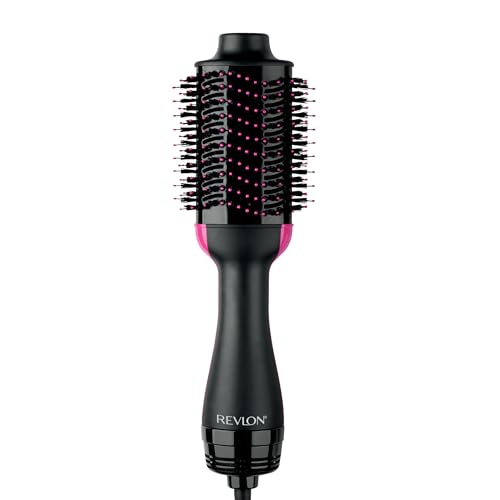
REVLON One-Step Volumizer Hair Dryer and Styler, 2.8 in Barrel, Black | Full-bodied blowouts, best for mid-length to long hair, 3 heat settings, nylon pins and tufted bristles
Offer 34.97 $
List Price
The Consultation: Getting the Cut You Asked For
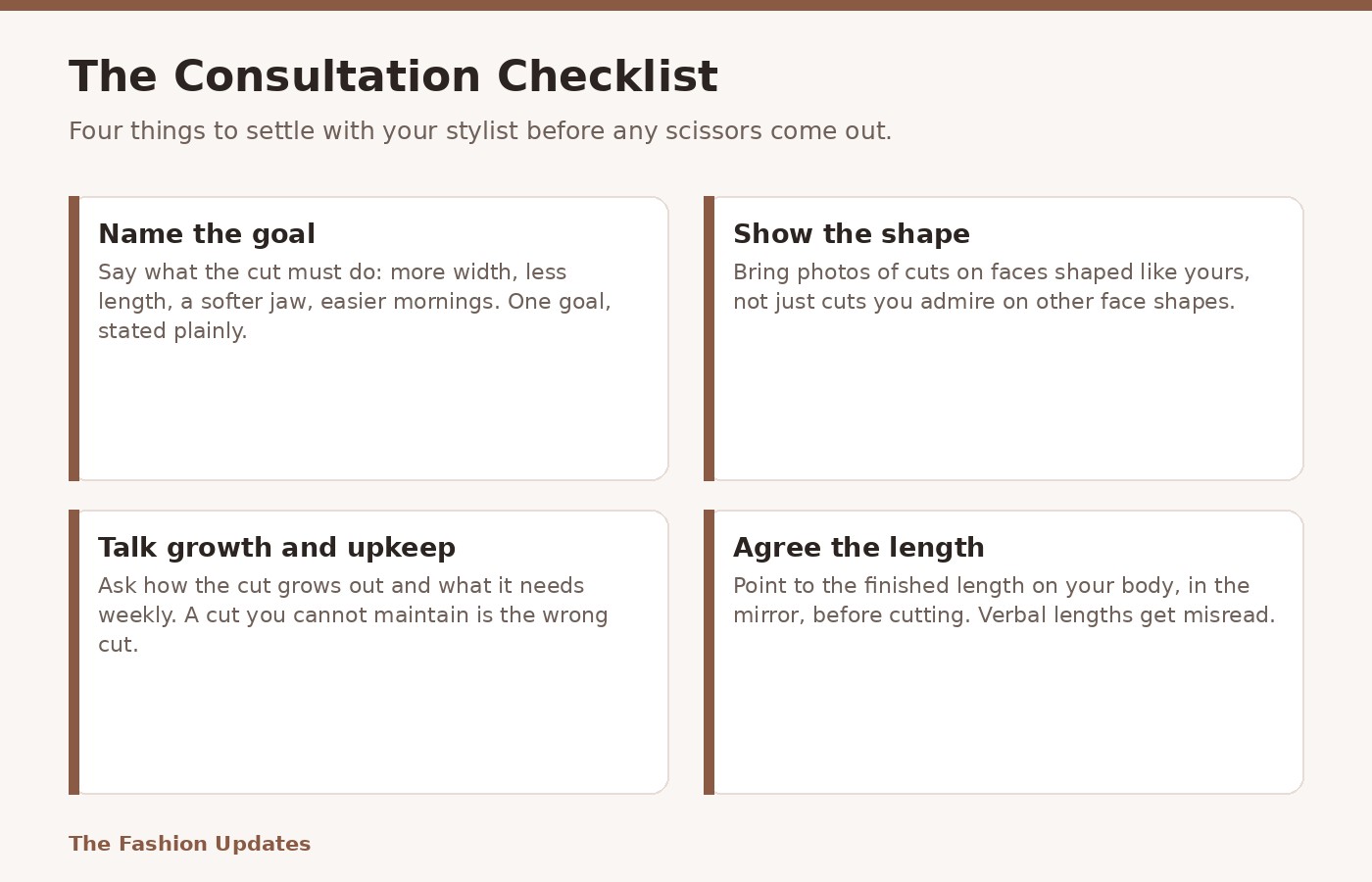
More haircuts fail in the conversation than at the scissors. Bring two or three photos of cuts on faces shaped like yours, and be ready to say what you like about each: the length, the fringe, the movement. Photos of a cut you admire on an opposite face shape are how a long face ends up with a round face’s bob. This is also the trap inside celebrity reference photos: our celebrities to follow on Instagram guide is a fine source of inspiration, provided you filter every saved photo through your own shape first.
Agree length in inches and in mirrors
Point at the finished length on your own body, in the mirror, before cutting starts. “Shoulder length” means four different lengths in one salon. Also agree the shortest layer’s landing point and the fringe’s behavior as it grows. A cut that only works for ten days is a subscription, not a style, so ask directly how it grows out and what the maintenance appointment looks like.
When the plan should change
A stylist who pushes back on your photo is usually protecting you from a shape mismatch, and the pushback is the service you are paying for. Listen for the reasoning: if it is about proportions, texture or growth patterns, it is this guide’s logic spoken aloud. If the concern is thinning or scalp health, the medical routes above, the NHS guidance is the place to start, come before the restyle. And once the cut is right, protect the result: our makeup brushes guide and skincare routine order guides finish the same morning routine the new cut starts, and our nail polish colors guide settles the appointment-day polish to go with it.
Our view: a haircut is the only garment you never take off, so it deserves the same fitting discipline as anything tailored. Measure the face, name the shape, set the three dials on purpose, and let texture have its vote. Do that, and the reference photo stops being a gamble. It becomes a specification your stylist can actually build.
— The Fashion Updates
Frequently Asked Questions
How do I determine my face shape at home?
Pull your hair back, take a straight-on photo in even light, and compare four widths: forehead, cheekbones, jaw, and the face’s length against its widest width. The pattern of those four numbers names the shape. Most people land between two shapes; follow the dominant one.
What is the most flattering haircut for a round face?
Length below the chin, height at the crown, a side part and long layers that keep the sides close. The goal is vertical travel for the eye. Chin-length cuts, center parts on flat hair and full fringes work against it by emphasizing width.
Can a haircut really make a face look slimmer or wider?
Yes, within limits. Hair draws the frame the face is read inside: ends widen what they touch, crown height lengthens, side volume widens. A cut cannot change bone structure, but it reliably changes which proportions the eye notices first.
Should I choose a haircut by face shape or by hair type?
Both, in that order. Face shape narrows the field to the cuts whose geometry helps you; hair type and density then pick within that field, because texture decides how a cut actually falls, shrinks and holds volume day to day.
How do I ask my stylist for a face-shape haircut?
Bring photos of the cut on faces shaped like yours, name your shape and your one goal, agree the finished length by pointing in the mirror, and ask where the shortest layer will land and how the cut grows out. Those five points prevent most disappointing appointments.
How We Pick What We Recommend
Every guide on The Fashion Updates follows the same review process — what we compare, what we check, and what we leave out.
Sources
- American Academy of Dermatology — Hair Care
- American Academy of Dermatology — Stop Hair Damage
- American Academy of Dermatology — Hair Loss Treatment Tips
- American Academy of Dermatology — Scalp Care
- NHS — Hair Loss
- Mayo Clinic — Hair Loss
- L’Oréal Paris — Best Haircut for Your Face Shape
- L’Oréal Paris — Haircut Ideas
- Garnier — Hair Styling Tips
- Garnier — Hair Care Tips
- Matrix — Hair Color Blog
- Matrix — Hairstyle Ideas
- Schwarzkopf — Hair Color