Foundation is arguably the single most personal product in any makeup routine, since getting it right depends on a combination of skin type, undertone, coverage preference, and application technique that’s different for every single person. It’s also the product most likely to go wrong in ways that are highly visible — an oxidized shade, a cakey finish, or a formula that clings to dry patches can undo an otherwise well-executed makeup look. This guide breaks down how to actually choose the right foundation, how to apply it so it looks like skin rather than a mask, and how to troubleshoot the most common problems people run into.
Understanding Your Skin Type Before Choosing a Foundation
Skin type is the foundation, quite literally, of every other decision that follows, since a formula that works beautifully on one skin type can look terrible or perform poorly on another. Oily skin tends to do best with oil-free, matte, or long-wear formulas that are specifically designed to control shine throughout the day, since a dewy or heavily moisturizing formula on oily skin often slides or breaks down faster than it would on drier skin.
Dry skin generally benefits from hydrating, dewy, or satin-finish formulas that contain moisturizing ingredients, since a matte or oil-free formula applied to dry skin has a tendency to cling to flaky or dehydrated patches, emphasizing texture rather than smoothing it. Combination skin, which involves both oily and dry areas on the same face, often does best with a satin or natural finish formula that isn’t extreme in either direction, sometimes paired with targeted powder in oilier zones like the T-zone rather than choosing an all-over matte formula that might be too drying for the cheeks.
Sensitive or acne-prone skin benefits from paying close attention to ingredient lists, looking for formulas labeled non-comedogenic, meaning they’re formulated not to clog pores, and generally avoiding heavy fragrance or known irritants. Patch testing a new foundation on the jawline before committing to full-face application is a reasonable precaution for anyone with a history of reactive or easily irritated skin.
Coverage Levels Explained
Foundation coverage exists on a spectrum, and understanding where a formula falls on that spectrum helps set realistic expectations before ever applying it. Sheer or light coverage formulas even out skin tone subtly without fully concealing blemishes, dark spots, or noticeable redness, and tend to look the most like skin, which appeals to people who want a natural, barely-there finish or who have relatively even skin to begin with.
Medium coverage formulas conceal more effectively while still allowing some natural skin texture to show through, striking a balance that works for a large portion of people who want their skin to look improved without appearing obviously made up. This coverage level tends to be the most versatile, buildable in problem areas without needing a second, heavier product layered on top.
Full coverage formulas conceal significantly, including more stubborn discoloration, scarring, or redness, and tend to have a thicker, more opaque texture as a result. Full coverage isn’t inherently worse or more artificial than lighter coverage, but it does require more careful application and blending to avoid looking heavy or mask-like, and it’s generally more appropriate for occasions or skin concerns that specifically call for stronger concealment rather than everyday wear for someone with relatively clear skin.
Finding Your Undertone and Shade
Shade matching is where foundation shopping goes wrong most often, and the mistake usually isn’t about the depth of the shade being too light or dark, but about the undertone being wrong entirely. Undertone refers to the underlying hue beneath the surface of the skin, generally categorized as warm, cool, or neutral, and it stays consistent even as skin tone itself changes with sun exposure across a year.
Warm undertones lean yellow, peachy, or golden, and foundations formulated for warm undertones tend to have those same yellow or golden bases mixed in. Cool undertones lean pink, red, or blue, and foundations for cool undertones are mixed with pink or reddish bases to match. Neutral undertones sit between the two, without a strong pull in either direction, and often have more flexibility in which shades work, since both warm and cool formulas within the same depth range can look reasonably natural.
A simple way to gauge undertone is looking at the veins on the inside of the wrist in natural light — veins that appear more green suggest a warm undertone, veins that appear more blue or purple suggest a cool undertone, and veins that are difficult to categorize as clearly one or the other often indicate a neutral undertone. This isn’t a perfectly scientific method, but it’s a reasonable starting point when narrowing down which shade family to try first.
Testing foundation shade along the jawline, rather than on the back of the hand or the inner wrist, gives the most accurate read, since the jaw is where the face meets the neck and mismatches are most visible if the shade is wrong. Checking the match in natural daylight rather than under artificial indoor lighting, which can distort how a shade appears, helps avoid ending up with a foundation that looked right in a store’s fluorescent lighting but appears clearly mismatched outdoors.
Foundation Finishes and What They Actually Mean
Finish refers to how a foundation looks on the skin after it’s applied and set, and the terminology can be confusing since brands don’t always use the same words consistently. Matte finish formulas minimize shine and are designed to look flat and smooth, which tends to work well for oily skin or for anyone who prefers a fully non-reflective look, though matte formulas can sometimes emphasize texture or fine lines on drier skin if not applied and set carefully.
Dewy or luminous finishes reflect light and create a glowing, hydrated-looking appearance, which tends to flatter drier or more mature skin and can make skin look healthier and more radiant, though this finish can also emphasize oiliness on oilier skin types if not paired with strategic powder in shinier areas. Satin or natural finishes sit between matte and dewy, offering a subtle, low-key glow without the full shine of a dewy formula or the complete flatness of a matte one, making this finish category the most broadly wearable across different skin types and occasions.
Choosing a finish isn’t only about skin type, though skin type is a major factor — personal preference and the specific look being aimed for matter too, and many people find that different finishes suit different occasions, reaching for a matte formula on a hot, humid day and a dewier formula for an evening event where a fresh, glowing look feels more appropriate.
How to Apply Foundation for the Most Natural Look
Application technique has an enormous impact on how any foundation looks, regardless of how well the shade and formula were chosen. Starting with properly prepped skin — cleansed, moisturized, and given a few minutes for moisturizer to fully absorb before foundation goes on — creates a smoother base and helps prevent the product from clinging to dry patches or sliding around on skin that’s still slightly damp.
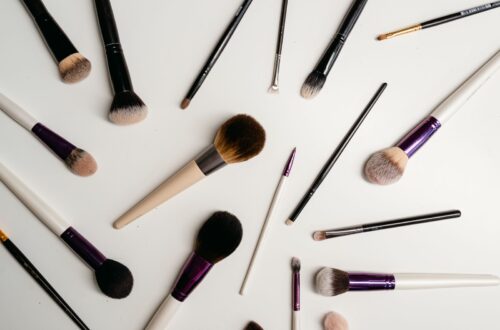
Applying foundation in thin layers and building up coverage gradually in areas that need it, rather than applying one thick, heavy layer all over the face, almost always looks more natural and skin-like in the end. A damp makeup sponge tends to sheer out product and blend it seamlessly into the skin, which works particularly well for lighter, more natural-looking coverage, while a brush can deposit more product for areas needing heavier coverage and offers more control for precise application around the nose and eyes.
Blending foundation down into the neck, not just across the face, prevents the harsh, obvious line at the jaw that immediately signals foundation was applied without enough care. Setting foundation with a light dusting of translucent or shade-matched powder, focused mainly on areas prone to oil rather than the entire face, helps the formula last longer without adding unnecessary heaviness to areas that don’t need it.
Common Foundation Mistakes to Avoid
A handful of mistakes account for most of the situations where foundation looks obviously wrong rather than blending seamlessly into the skin. Choosing a shade that’s too light, often out of an instinct to appear brighter or more even-toned, is extremely common and tends to create a more obvious, mask-like appearance than choosing a shade that matches the actual skin tone, even one that feels slightly deeper than expected at first.
Skipping skin prep and applying foundation directly onto dry, unmoisturized, or unexfoliated skin frequently leads to a formula clinging to texture and looking patchy rather than smooth, regardless of how good the foundation itself is. Applying too much product in one layer, rather than building gradually, is another frequent issue, since it’s far easier to add more coverage where needed than to remove excess product without disturbing the rest of the application.
Not accounting for oxidation is a subtler mistake that trips up a lot of people, since certain foundation formulas darken slightly after being applied as they interact with the skin’s natural oils over the following twenty to thirty minutes. Testing a shade and then waiting a short period before making a final judgment, rather than deciding immediately upon application, helps avoid ending up with a shade that looked right at first but appeared visibly darker by midday. This is especially worth keeping in mind when shopping in a store, where lighting and time constraints make it easy to judge a shade too quickly and walk away with a match that only looks correct in the first few minutes.
Making Foundation Last Through a Full Day
Longevity concerns come up frequently, particularly for people with oilier skin or those wearing foundation through long workdays or events. A proper primer suited to the specific skin concern — mattifying for oily skin, hydrating for dry skin, color-correcting for redness or discoloration — creates a smoother base for foundation to grip onto and can meaningfully extend how long it looks fresh.
Setting spray, applied after foundation and the rest of makeup is complete, helps lock everything in place and can make a noticeable difference in longevity, particularly in humid climates or for anyone who tends to get oily throughout the day. Blotting oily areas with blotting paper rather than reapplying more foundation or powder throughout the day helps manage shine without building up product in a way that can look cakey by the end of a long day.
For anyone who finds their foundation consistently doesn’t last as long as they’d like regardless of technique, it’s worth considering whether the formula itself is simply mismatched to skin type — a dewy, hydrating formula on very oily skin is unlikely to hold up as well through a full day as a formula specifically designed for longer wear and oil control, no matter how carefully it’s applied or set.
Foundation Formulas: Liquid, Powder, Cream, and Stick
Beyond finish and coverage, foundation also comes in several distinct formula types, each with its own handling characteristics and ideal use cases. Liquid foundation remains the most widely used format, offering the broadest range of coverage levels and finishes and generally the easiest to blend and build gradually using either a brush or sponge, which makes it a reasonable default starting point for most people still figuring out their preferences.
Powder foundation, applied dry with a brush or sponge, tends to offer a lighter, more natural feel on the skin and works especially well for oily skin types or for quick touch-ups over existing makeup during the day. It generally provides lighter coverage than liquid formulas and can look more powdery or less skin-like if applied too heavily, so a lighter hand tends to produce better results with this format.
Cream and stick foundations offer richer, more emollient textures that tend to provide fuller coverage and a more dewy or satin finish, making them well suited to drier skin types or cooler weather when a lighter liquid formula might feel insufficient. These formats can be trickier to blend seamlessly without proper technique, since their thicker consistency doesn’t spread as easily as liquid, but they excel at concealing texture and providing long-lasting, comfortable coverage once properly blended.
Foundation and Skincare: Why Prep Matters as Much as Product
It’s easy to focus entirely on the foundation itself while overlooking how much the condition of the skin underneath affects the final result. Foundation, no matter how well formulated or well matched, sits on top of whatever texture, hydration level, and overall condition the skin is already in, which means a consistent skincare routine does more to improve how foundation looks than switching formulas repeatedly ever will.
Regular gentle exfoliation, whether chemical or physical, helps prevent the buildup of dry, flaking skin that foundation tends to cling to and emphasize rather than smooth over. Consistent moisturizing, tailored to skin type and given time to fully absorb before makeup application, creates a more even canvas that allows foundation to sit smoothly rather than separating or settling into fine lines and dry patches throughout the day.
Sun protection, applied underneath foundation as part of a daily routine, also plays a role in how skin looks over the longer term, since UV damage contributes to uneven tone, texture, and premature aging, all of which make achieving a smooth, natural foundation application more difficult as skin condition declines. Treating skincare and foundation as a connected routine, rather than two entirely separate concerns, tends to produce noticeably better results than focusing on makeup technique alone while neglecting the skin underneath. A well-maintained skincare routine can, over time, reduce how much coverage is actually needed to achieve an even, healthy-looking complexion, which for many people means eventually being able to shift toward a lighter, more breathable formula than the one they started with.
Building a Foundation Routine That Works for Your Skin
Finding the right foundation ultimately comes down to understanding skin type, undertone, and coverage preference well enough to narrow down options intelligently, rather than trying formula after formula without a clear sense of what to look for. Testing shades in natural light, allowing time for oxidation before judging a match, and prioritizing proper skin prep and blending technique over simply layering on more product all contribute more to a natural, flawless-looking result than any single formula could achieve on its own.
Foundation preferences also tend to shift over time as skin changes with season, age, or lifestyle, so revisiting these fundamentals periodically — rather than assuming a foundation that worked perfectly a few years ago will always be the right choice — keeps a routine responsive to skin’s actual current needs rather than relying on habit alone. Paying attention to how skin behaves through different seasons, and being willing to switch between a lighter formula in warmer months and a more hydrating one in colder, drier months, is often the difference between a foundation routine that consistently looks good and one that only works part of the year.