
As an Amazon Associate I earn from qualifying purchases.
If your current routine is bar soap, hot water, and whatever is left in the shower, your skin is probably telling you about it: tight after washing, shiny by midday, rough around the jaw, or sore after shaving. Men’s skincare basics are not complicated, and they do not require a shelf of products. You need three things matched to your skin type: a gentle cleanser, a moisturizer, and a daytime sunscreen. This guide covers those core steps, how to choose them, how shaving fits in, and the beginner mistakes that undo otherwise good products.
The Fashion Updates
Three Steps. That Is the Routine.
Cleanse, moisturize, protect: a three-step routine matched to your skin type, with shaving handled as part of the routine.
Key Takeaways
- A working routine for men has three core steps: cleanse gently, moisturize on damp skin, and protect with broad-spectrum SPF 30 or higher each morning.
- Skin type matters more than marketing: normal, dry, oily, combination, and sensitive skin each need different textures, from cream cleansers to light gels.
- Wash with lukewarm water and your fingertips, once or twice a day and after exercise, and skip harsh bar soap on your face.
- Shaving is part of skin care: soften the hair first, shave in the direction of growth, change blades often, and moisturize straight after.
- Start small, add one product at a time, and give a simple routine a fair run before buying anything extra.
Table of Contents
- Key Takeaways
- Know Your Skin Type First
- The Three Core Steps of Men’s Skincare Basics
- The Morning Routine, Step by Step
- The Evening Routine, Step by Step
- How Shaving Changes Your Skin Care
- Choosing Products Without Overbuying
- Common Beginner Mistakes That Undo Good Products
- Building a Habit You Will Actually Keep
- Our view
- Frequently Asked Questions
- Sources
- Recommended
Know Your Skin Type First
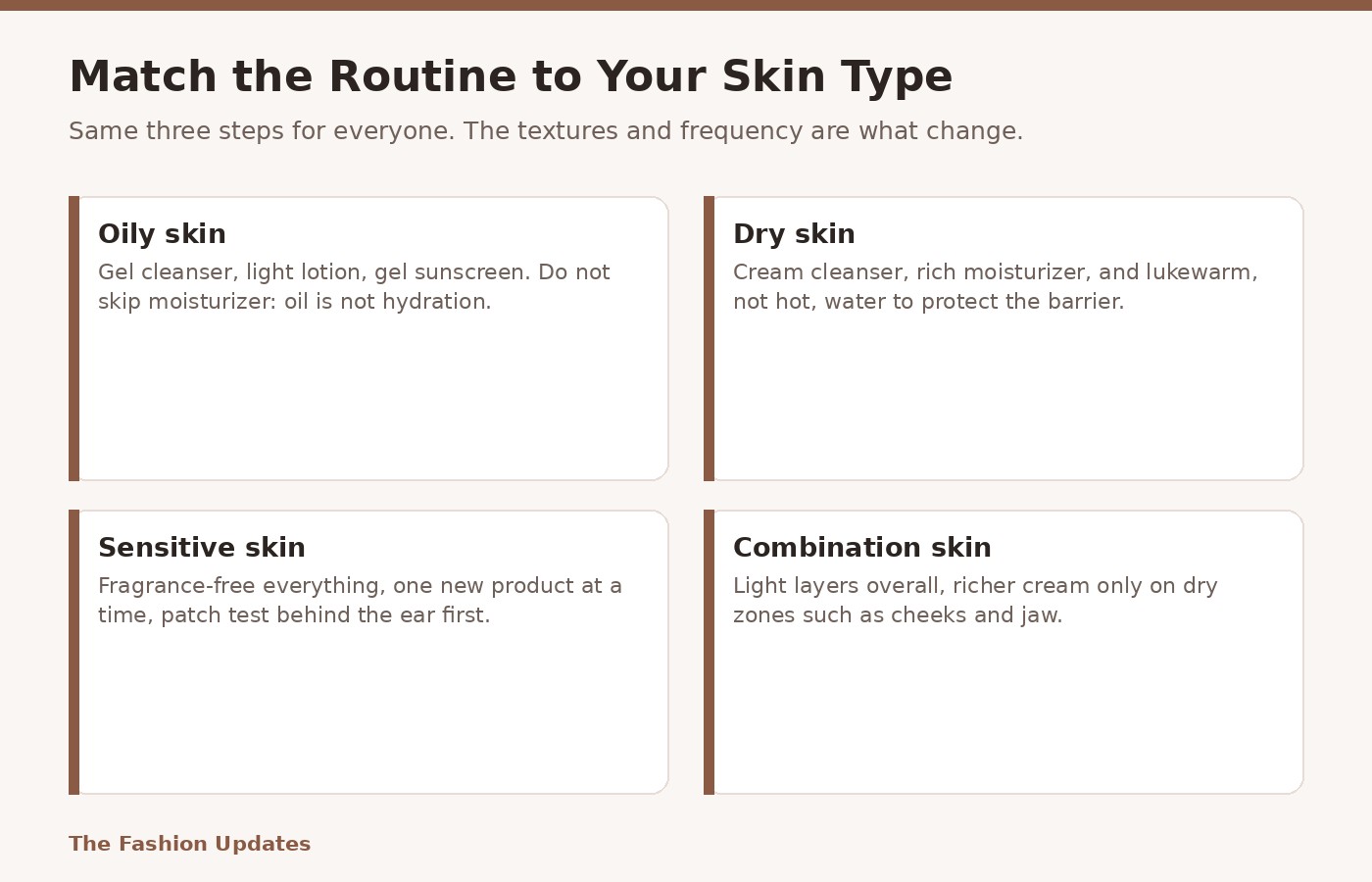
Every product choice in this guide hangs on one question: what is your skin type? Cleveland Clinic makes the point directly in its skin care guide for men: men’s skin tends to be thicker and can be oilier, but choosing products is less about being male and more about knowing your own skin type. The American Academy of Dermatology uses the same five-way split in its healthier-looking skin guidance, and the table below turns those descriptions into buying decisions.
| Skin type | How it usually looks and feels | Cleanser to choose | Moisturizer to choose | Watch out for |
|---|---|---|---|---|
| Normal | Clear, comfortable, not sensitive | Gentle gel or cream cleanser | Standard lotion or light cream | Overcomplicating a routine that already works |
| Dry | Flaky, itchy, rough, tight after washing | Cream-based, gentle cleanser | Richer cream, applied on damp skin | Hot water, harsh soap, and alcohol-based aftershave |
| Oily | Shiny and greasy, prone to breakouts | Foaming or gel cleanser | Light, oil-free, non-comedogenic lotion or gel | Skipping moisturizer, which leaves skin dehydrated and shiny |
| Combination | Oily forehead, nose, and chin, drier cheeks | Gentle gel cleanser | Lightweight lotion across the face | Using one heavy cream everywhere |
| Sensitive | Stings, burns, or reddens after products | Mild, fragrance-free cleanser | Mild, fragrance-free cream | Fragrance, strong scrubs, and adding several new products at once |
| Acne-prone | Frequent spots and clogged pores | Gentle cleanser, oil-free formulas | Oil-free, non-comedogenic moisturizer | Picking, harsh scrubbing, and heavy oils |
A simple way to check your type
Wash your face with a gentle cleanser, pat it dry, and wait a while without applying anything. If your whole face feels tight, dry is likely. If it looks shiny all over, oily is likely. If only the forehead, nose, and chin shine while the cheeks feel normal or dry, that is combination. If products regularly sting or leave you red, treat your skin as sensitive whatever else it does. Cleveland Clinic describes the same types in its skin care guide for men, noting that dry skin can look red and flaky, oily skin looks shiny and breaks out more easily, and sensitive skin reacts with itching, redness, or burning.
Why men’s skin still follows the same rules
Men’s skin has real differences. Cleveland Clinic notes in its skin care guide for men that the dermis tends to be thicker and tougher in men and that testosterone can make skin more oily. Those differences explain deeper lines and midday shine, but they do not change the basic jobs: clean the skin without stripping it, keep water in it, and protect it from the sun. A product does not need a masculine label to do those jobs. It needs the right texture for your type, which is the same logic our skin undertone guide applies when it matches choices to the individual rather than to a generic category.
The Three Core Steps of Men’s Skincare Basics
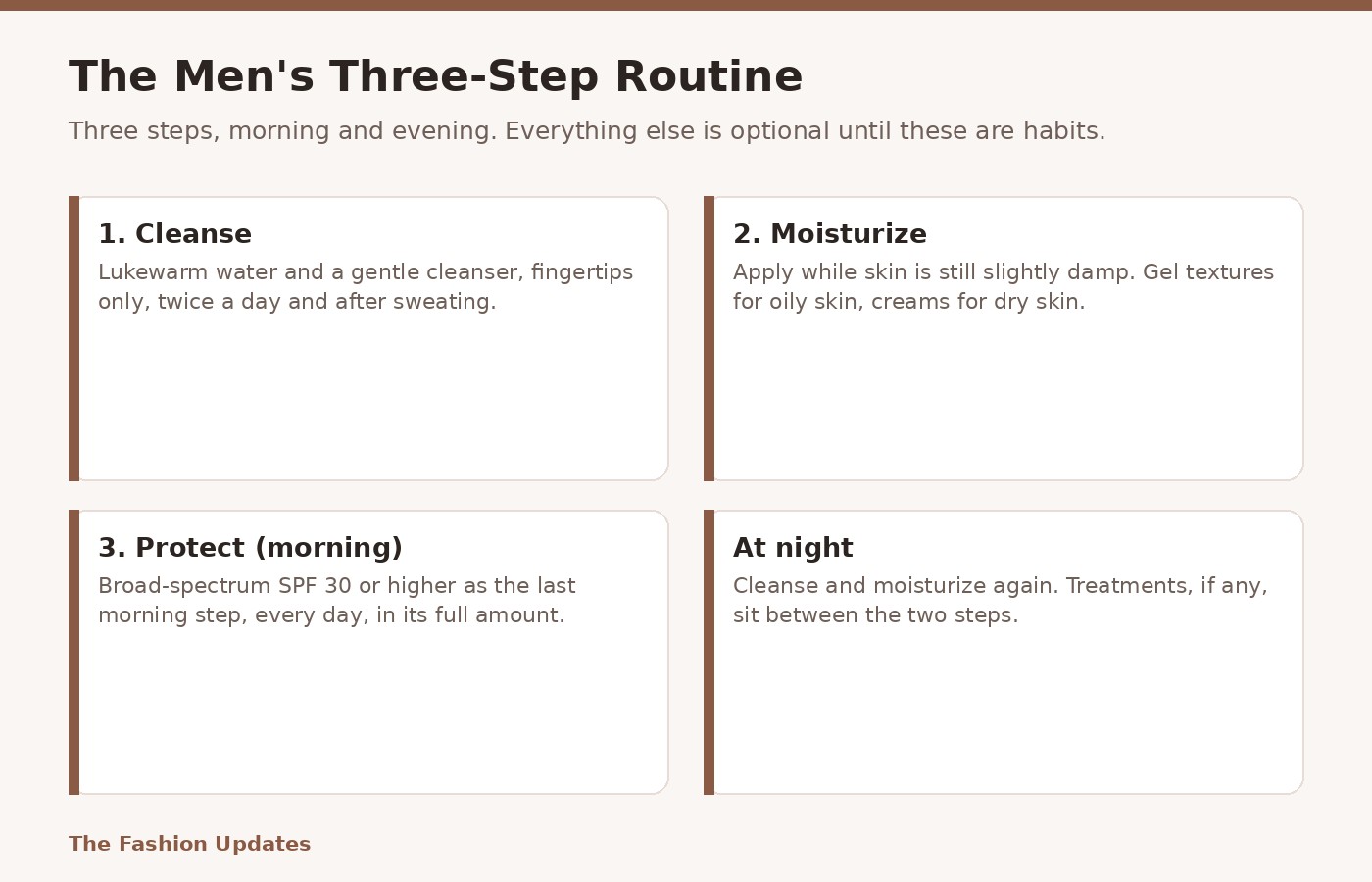
Strip away the marketing and men’s skincare basics come down to three steps: cleanse, moisturize, protect. Cleveland Clinic builds its simple routine on exactly those three goals in its skin care guide for men, and the AAD’s foundation in its healthier-looking skin guidance is the same: gentle cleansing, moisturizer suited to your skin type, and daily sunscreen. Everything else in this guide is detail in service of those three steps.
Step 1: Cleanse, gently
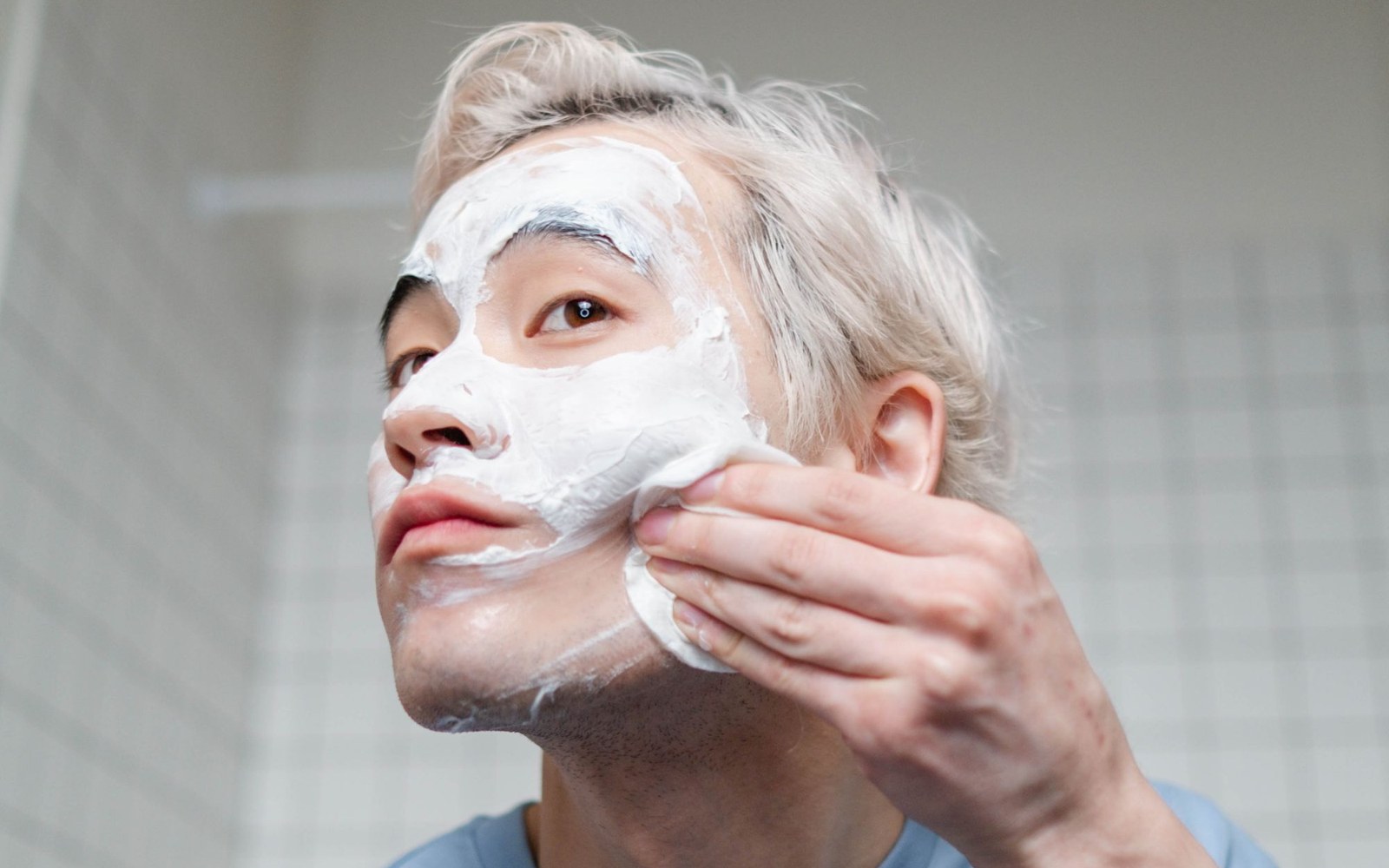
Cleansing removes sweat, oil, sunscreen, and the day’s grime so the products after it can work on clean skin. The technique matters as much as the product. The American Academy of Dermatology sets it out in its face washing guidance: use a gentle, non-abrasive cleanser, apply it with your fingertips, use lukewarm rather than hot water, and limit washing to twice a day and after sweating. Fingertips, not a rough cloth or a stiff brush, because scrubbing irritates and irritation is the opposite of the goal.

Step 2: Moisturize, on damp skin
Moisturizer traps water in the skin. That is its whole job, and timing decides how well it does it. Mayo Clinic advises moisturizing while some moisture is still on the skin in its skin care tips, patting dry gently instead of rubbing skin completely dry first. Cleveland Clinic gives the same instruction for men in its skin care guide for men: while skin is still a little damp after cleansing, lock that water in with moisturizer to support the skin barrier. Every skin type needs this step, including oily skin. A light gel does for oily skin what a rich cream does for dry skin.

CeraVe Daily Moisturizing Lotion, Face and Body Lotion, Skin care, 12oz | Hyaluronic Acid, Lotion For Dry Skin, Skin Barrier Repair, Ceramide Moisturizer, For Men and Women, Fragrance Free, Oil-Free
Offer 10.49 $
List Price
Step 3: Protect, every morning
Sunscreen is the step beginners skip and the step dermatologists defend most strongly. The American Academy of Dermatology covers the practical questions in its sunscreen FAQs: choose broad spectrum, SPF 30 or higher, and reapply while outdoors. The FDA explains the terms in its sunscreen guidance: broad spectrum means protection against both UVA and UVB rays, while SPF mainly measures UVB protection. Apply it as its own final morning layer, in full, and give it a few minutes before heading out or putting anything over it. The same outdoor habit pairs naturally with the fit advice in our sunglasses face shape guide: shade and sunscreen work together, neither replaces the other.
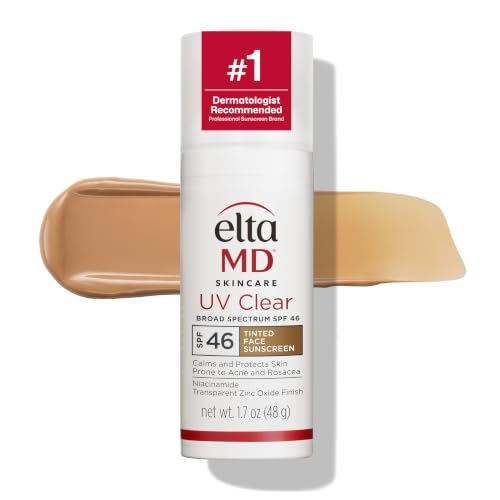
EltaMD UV Clear Tinted Face Sunscreen with Zinc Oxide, SPF 46, 1.7 oz | Calms and Protects Acne-Prone Skin and Rosacea, Oil-Free, Sheer Tint, No White Cast, Dermatologist Recommended
Offer 38.4 $
List Price

The Morning Routine, Step by Step
The morning version of men’s skincare basics takes a few minutes: cleanse, moisturize, protect. Cleveland Clinic frames the split in its step-by-step routine guide: the morning is for protecting the skin, the night for repairing it. If you shave in the morning, the shave sits between cleansing and moisturizing, for reasons the shaving section below explains.
Cleanse or rinse, then moisturize
Start with lukewarm water and your cleanser, or with a plain rinse if your skin is dry and you cleansed thoroughly the night before. The AAD’s face washing guidance supports that restraint: washing twice a day and after sweating is the ceiling, not a floor to exceed. Follow with moisturizer on skin that is still slightly damp. Mayo Clinic makes the damp-skin point in its dry skin guidance as well, advising moisturizer while skin is damp and gentle, alcohol-free cleansers for dry skin.
Sunscreen last, in its full amount
Sunscreen goes on after moisturizer, as its own layer, never mixed into it. Mixing dilutes it, so the protection on your face no longer matches the label. The NHS makes the amount point in its sunscreen and sun safety advice: most people apply too little, and applying sunscreen too thinly reduces the protection it gives. The FDA adds the outdoor routine in its sun safety guidance: reapply at least every two hours outdoors, and sooner after swimming or heavy sweating. Ears, neck, and the back of the hands count as exposed skin too. Men who keep their grooming kit as deliberately small as the kit in our capsule wardrobe guide will recognize the principle: a few essentials, used properly and in full.
Where optional extras would go
If you later add an antioxidant serum, it sits between cleansing and moisturizing. Cleveland Clinic describes that placement for vitamin C in its skin care guide for men, applied after cleansing and before moisturizer in the morning. That is an upgrade, not a basic, and it is not needed to start. Readers who want the full layering logic, including wait times for several products, should read our skincare routine order guide, which covers ordering in depth. This post stays at the overview level on purpose: three steps first, extras only when the basics are automatic.
The Evening Routine, Step by Step
The evening routine is even shorter: cleanse, then moisturize. There is no sunscreen at night, so moisturizer is the final layer. Cleveland Clinic lays out the evening shape in its step-by-step routine guide, with cleansing first and the repairing or moisturizing layer after it. The evening cleanse matters more than the morning one, because it removes the day’s sunscreen, sweat, and oil before you sleep on a pillowcase all night.
Cleanse away the day
Use the same gentle cleanser and the same fingertip technique. One thorough cleanse is enough for most men. Cleveland Clinic cautions in its product order guide that double cleansing can do more harm than good for many skin types, so a second wash is an option for very oily skin after a heavy day, not a nightly default. If you trained or worked outdoors, this is also the wash the AAD counts in its face washing guidance: twice a day, and after sweating.
Moisturize, and let that be enough at first
Apply moisturizer while your skin is still slightly damp, exactly as in the morning. Dry skin can use a richer cream at night than in the morning, because there is no sunscreen to sit over it and no shine to manage during the day. Mayo Clinic supports richer, damp-skin moisturizing for dry skin in its dry skin guidance. Optional evening extras, such as retinol, belong between cleansing and moisturizing and only after the basics are settled. Cleveland Clinic notes in its skin care guide for men that retinol is used at night because it can make skin more sensitive to the sun. Treat it as a later step, introduced on its own, never in the same week as two other new products. The wider grooming picture works the same way: the overnight logic in our hair care tips guide also leaves the heaviest conditioning work to the evening, when nothing has to sit on top of it.
How Shaving Changes Your Skin Care
For most men, shaving is the most aggressive thing that happens to their face all week. A razor does not just cut hair. It scrapes the surface, which is why technique, blade condition, and what you put on the skin straight after matter as much as any product in this guide. The AAD collects its advice in its razor bump guidance: shaving can irritate skin and cause painful or itchy bumps, and changing shaving habits can prevent them or make them fewer and less painful.
Before and during the shave
Soften first. The AAD advises in its razor bump guidance to shave when the hair is soft, at the end of a shower or after holding a warm, damp washcloth against the skin, so hairs swell and are less likely to curve back into the skin. Wash before shaving with a cleanser that will not clog pores, always use a moisturizing shaving cream, and shave in the direction the hair grows. Rinse the blade after each swipe, replace a disposable razor after five to seven shaves, and store it somewhere dry. If multi-blade razors leave you with bumps, burns, or ingrown hairs, a single or double blade used without stretching the skin taut is the calmer option. Cleveland Clinic adds parallel advice in its skin care guide for men: facial hair is softer after a warm shower, a gentle shaving cream or oil helps prevent rashes and ingrown hairs, and shaving in the direction of growth reduces irritation.
After the shave: moisturize, do not burn
What goes on freshly shaved skin should soothe, not sting. Cleveland Clinic warns in its skin care guide for men that alcohol-based aftershaves dry the skin out and hinder moisturizing, and that a moisturizer is more helpful than an alcohol-based aftershave for most people. So the post-shave step is your regular moisturizer, applied while the skin is still damp, with sunscreen over it in the morning. The AAD suggests a soothing aftershave formulated to reduce razor bumps in its razor bump guidance, followed by a cool, damp washcloth on the just-shaved skin. If bumps persist after you change your technique, that is a reason to see a dermatologist rather than to buy a stronger product. Men who prefer to remove hair by other means will find the same right-product, right-place discipline in our hair removal creams guide.
Choosing Products Without Overbuying
Three products are the whole starter kit: one cleanser, one moisturizer, one sunscreen. Labels, not brand stories, decide which three. Harvard Health makes the underlying point in its skin care overview: despite the abundance of products on sale, only a few have good scientific evidence behind them, so a small set chosen carefully beats a large collection. Paula’s Choice gives a useful shopping discipline in its application guide: products work in sequence from cleanser upward, so each purchase should fill a clear slot rather than duplicate one.
Read the label for your skin type
For acne-prone or oily skin, look for the words oil free and non-comedogenic on cleansers and moisturizers, meaning they are made not to clog pores. For sensitive skin, look for fragrance free, and be careful with products labeled unscented, which can still contain masking fragrance. Cleveland Clinic stresses the fragrance point in its skin care guide for men: fragrances can cause contact allergies and red, itchy rashes, and unscented products can still contain a masking scent, so fragrance free is the label to trust. Useful ingredients to recognize are hyaluronic acid, which draws water into the skin, and ceramides, which support the skin barrier. Cleveland Clinic explains both in its skin care guide for men, describing hyaluronic acid as the ingredient that draws water in and keeps it there, and ceramides as a component of the skin’s lipid layer. The same label-reading habit helps with the daily products in our best women’s deodorant guide, where fragrance is also the first thing sensitive skin should avoid, and with scent choices in our best perfumes for women guide, where fragrance belongs on pulse points by choice, not on a reactive face by accident.
What you do not need yet
You do not need a toner, a scrub, a mask, an eye cream, or a drawer of serums to start. Those are optional extras with specific jobs, and adding them before the basics are settled makes it impossible to tell what is helping and what is irritating. The same restraint runs through our wider men’s guides: our men’s wardrobe essentials guide builds from a small set of proven pieces, our best belts for men guide judges one accessory on fit and material rather than hype, and our men’s trousers guide starts with fit before variety. Skin care rewards the identical order: fit the basics to your type first, then consider additions one at a time. Even finishing products follow it, since the base in our best makeup foundations guide is chosen by skin type and sits over, never instead of, a moisturized and protected base.
Common Beginner Mistakes That Undo Good Products
Most failed routines fail for one of a handful of reasons, and none of them require a new purchase to fix. Harvard Health advises choosing products and treatments with care in its skin care overview, checking the evidence before committing, and the mistakes below are the ones that most often waste that care.
Washing too hard, too hot, and too often
Hot water, rough scrubbing, and a third or fourth wash of the day all strip the oils your moisturizer is trying to replace. The AAD’s face washing guidance is the corrective: lukewarm water, fingertips, a gentle cleanser, twice a day and after sweating. Bar soap belongs on the body, not the face. Cleveland Clinic explains why in its skin care guide for men: many traditional soaps strip the skin of its natural oils while removing dirt, so a gentle, pH-balanced facial cleanser is the better tool. If your face feels squeaky and tight after washing, the cleanser or the water is too harsh. Clean skin should feel calm, not stripped.
Skipping moisturizer because your skin is oily, and skipping sunscreen because it is cloudy
Oily skin still loses water, and skipping moisturizer leaves the surface dehydrated under the shine. Use a light, oil-free formula instead of none. Sunscreen has the opposite problem: men skip it when the sky looks harmless. Cleveland Clinic notes in its skin care guide for men that UV rays reach skin even on cloudy days and can accelerate aging and pigmentation, which is why sunscreen belongs in every morning routine. The AAD’s sunscreen FAQs add the spots men forget: scalp, ears, neck, and lips all need coverage when they are exposed. A routine finished with the same care as an outfit finished with our style white sneakers guide still fails if its last protective step is skipped, so treat SPF as non-negotiable rather than weather-dependent.
Starting five products in the same week
New cleanser, new serum, new treatment, new moisturizer, all at once: when your face reacts, you cannot tell which product caused it, and when it improves, you cannot tell which one helped. Cleveland Clinic advises introducing products one at a time in its step-by-step routine guide, because formulas can contain preservatives or fragrances that irritate, and one-at-a-time testing shows which product is responsible. For sensitive skin, the same guide suggests testing a small amount behind the ear or along the jawline first. Persistent stinging or burning is irritation, not proof a product is working. Stop the newest product, return to the basics, and let the skin settle.
Building a Habit You Will Actually Keep
A simple routine kept daily beats an elaborate routine abandoned in a fortnight. Keep the three products where you will see them, by the sink rather than in a cabinet, and attach the steps to things you already do: the morning wash, the shave, the evening brush of your teeth. The reading habit behind our best fashion magazine guide works the same way: small, regular, and built into the day rather than saved for special occasions.
The first weeks: what to expect
Expect adjustment, not miracles. Skin that has been scrubbed and left dry may feel different within days once washing gets gentler and moisturizer lands on damp skin, but judging a product fairly takes a longer, steady run of use. Keep notes if it helps: what you used, morning and evening, and how your skin felt. If you add anything, add it alone and note the date, following the one-at-a-time rule in Cleveland Clinic’s step-by-step routine guide. Mayo Clinic’s broader advice in its skin care tips supports the same steady basics: gentle cleansing, moisturizing, and sun protection as daily habits rather than occasional projects.
When to stop, simplify, or seek advice
If your skin becomes persistently red, itchy, sore, or uncomfortable, subtract rather than add: return to cleanser, moisturizer, and sunscreen until things calm down. Ongoing problems belong with a professional. Cleveland Clinic closes its skin care guide for men with clear advice: check your skin regularly, and see a healthcare provider or a board-certified dermatologist for new or changing moles or growths, and for concerns such as acne, rosacea, or eczema that a basic routine does not improve. The AAD makes the same point in its healthier-looking skin guidance: simple, consistent basics are the foundation, and they are not a substitute for medical care when something changes or does not settle. Men’s skincare basics are the starting point, not the whole of skin health.
Our view
Men’s skincare basics are three habits, not a haul. Cleanse gently with lukewarm water, moisturize while your skin is still damp, and finish every morning with broad-spectrum SPF 30, choosing each product’s texture for your skin type rather than its label. Shave on softened skin, in the direction of growth, and moisturize straight after instead of reaching for a stinging aftershave. Add nothing until those steps are automatic, then add one product at a time. A short routine done daily will do more for your skin than a crowded shelf used at random.
— The Fashion Updates
Frequently Asked Questions
What are the basic skincare steps for men?
Three steps: cleanse with a gentle facial cleanser and lukewarm water, moisturize while your skin is still slightly damp, and apply broad-spectrum sunscreen with SPF 30 or higher every morning. At night, cleanse and moisturize only. That is a complete beginner routine.
How do I know my skin type?
Wash, pat dry, and wait without applying anything. Tight and flaky suggests dry, shiny all over suggests oily, an oily center with drier cheeks suggests combination, and stinging or redness after products suggests sensitive. Clear and comfortable suggests normal. Your type decides your product textures.
Can men just use bar soap on their face?
It is not a good default. Many bar soaps strip the skin’s natural oils and leave the face tight and dry. A gentle, pH-balanced facial cleanser matched to your skin type cleans without that stripped feeling, and it costs no extra time.
Should I moisturize if my skin is oily?
Yes. Oily skin still loses water. Choose a light, oil-free, non-comedogenic lotion or gel instead of a rich cream, and apply it on damp skin after cleansing, morning and night. Skipping moisturizer leaves the surface dehydrated under the shine.
How should shaving fit into my routine?
Cleanse first, shave on softened skin with a moisturizing shaving cream, and shave in the direction of hair growth. Rinse after each swipe, change blades after five to seven shaves, then moisturize while the skin is damp. Avoid alcohol-based aftershaves, which dry freshly shaved skin.
Do men need sunscreen on cloudy days?
Yes. UV rays reach the skin on cloudy days, so broad-spectrum SPF 30 or higher belongs in every morning routine, applied as its own layer after moisturizer. Outdoors, reapply at least every two hours, and sooner after swimming or heavy sweating.
How We Pick What We Recommend
Every guide on The Fashion Updates follows the same review process — what we compare, what we check, and what we leave out.
Sources
- American Academy of Dermatology — Face Washing 101
- American Academy of Dermatology — Sunscreen FAQs
- American Academy of Dermatology — 10 Skin Care Secrets for Healthier-Looking Skin
- American Academy of Dermatology — How to Prevent Razor Bumps
- Cleveland Clinic — Skin Care for Men: Routines, Products and Tips
- Cleveland Clinic — Skin Care Routine: A Step-by-Step Guide
- Cleveland Clinic — The Correct Order for Skin Care Products
- Mayo Clinic — Skin Care: 5 Tips for Healthy Skin
- Mayo Clinic — Dry Skin: Diagnosis and Treatment
- FDA — Sunscreen: How to Help Protect Your Skin from the Sun
- FDA — Tips to Stay Safe in the Sun: From Sunscreen to Sunglasses
- NHS — Sunscreen and Sun Safety
- Harvard Health — Skin Care and Repair
- Paula’s Choice — The Best Way to Apply Skin Care Products