As an Amazon Associate I earn from qualifying purchases.
You have smelled a perfume on someone else, loved it, bought it, and wondered why it turned sharp, flat, or strangely sweet on you. The bottle was not lying, and neither was your nose. Perfume changes on skin, fades in stages, and belongs to families with very different characters. This guide shows you how to start with those families, test properly on your own skin over a full day, read concentration and season honestly, and narrow a crowded counter down to one scent that feels unmistakably like you.
The Fashion Updates
Find Your Signature Scent
Fragrance families, skin testing in stages, and the concentration and storage rules that turn a lucky bottle into a signature.
Key Takeaways
- Start with fragrance families, not brand names, because family tells you the character you will actually live with after the opening fades.
- Test every serious candidate on skin for a full day, because paper strips cannot show how a scent blends with your own body odor and skin.
- Judge a perfume by its drydown, not its first five minutes, because the base is what you and everyone near you will smell for most of the wear.
- Match concentration, season, and occasion to the scent, because a beautiful amber can overwhelm a warm office while a citrus can vanish outdoors.
- Buy the smallest size that lets you test honestly first, because a signature scent is proven over several wears, not at the counter.
Table of Contents
- Key Takeaways
- Start With Fragrance Families, Not Bottle Names
- Read a Perfume in Three Acts: Top, Heart, and Base
- Why the Same Perfume Smells Different on You
- Test on Skin, in Stages, Not on a Strip in a Hurry
- Match Concentration, Season, and Occasion
- If Your Skin Is Sensitive, Choose Differently
- Narrow a Shortlist Down to a Signature
- Apply, Store, and Make It Last
- Our view
- Frequently Asked Questions
- Sources
- Recommended
Start With Fragrance Families, Not Bottle Names
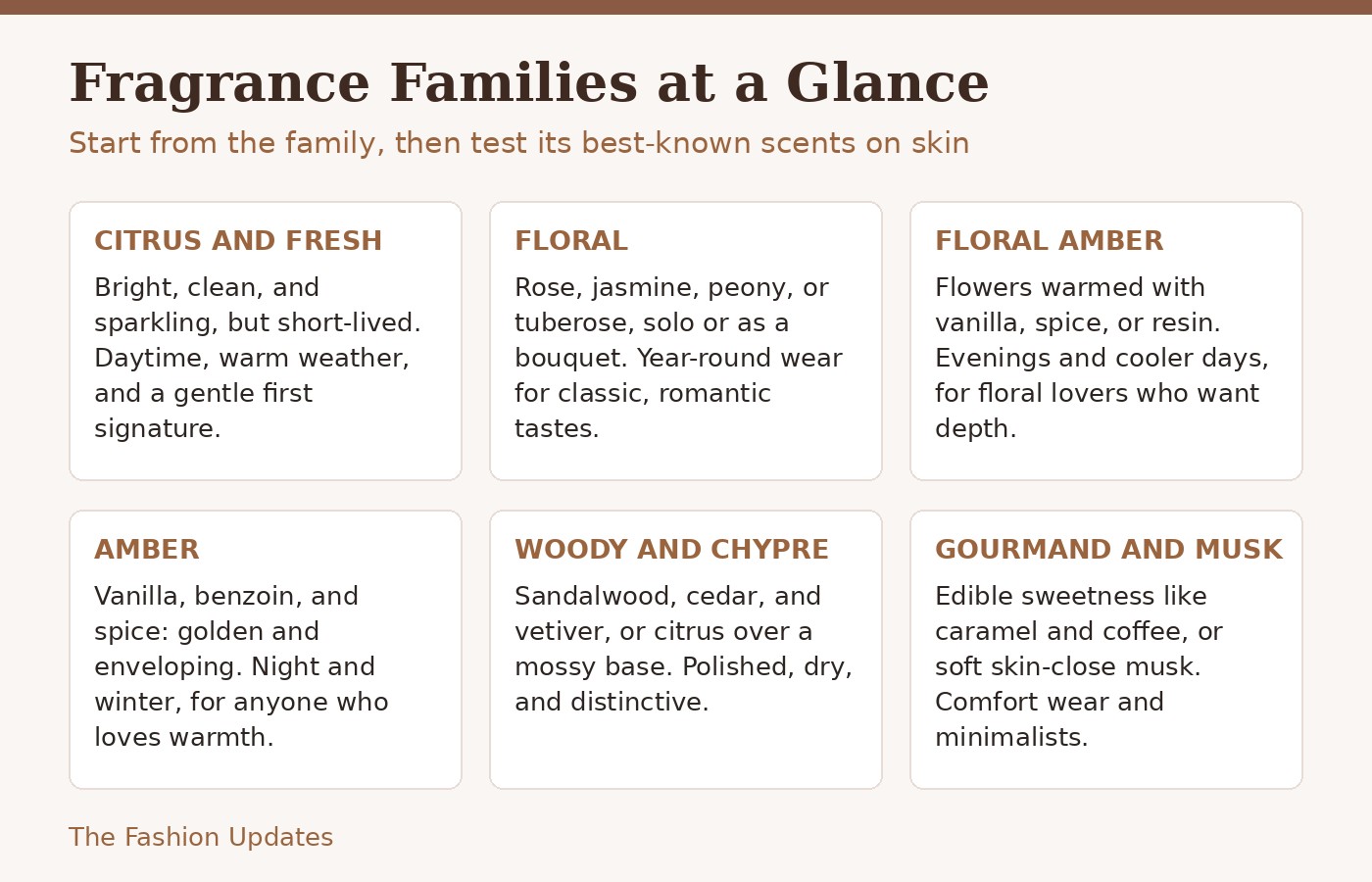
A fragrance family is a shared character, not a marketing label. Florals smell like flowers, citrus smells bright and peel-like, ambers feel warm and resinous, and woods feel dry and grounded. Classification systems exist precisely so two people can describe a scent without handing each other a bottle. The archive work of the Osmothèque shows how perfumes have long been preserved, classified, and compared by family and structure, while the fragrance wheel tradition in retail groups families so that neighbors share traits and opposites contrast. Start where past favorites sit, then try neighboring families.
| Fragrance family | Character | Best for |
|---|---|---|
| Citrus and fresh | Bright, clean, sparkling, short-lived | Daytime, warm weather, office, a first signature |
| Floral | Rose, jasmine, peony, tuberose, single bloom or bouquet | Year-round wear, romantic and classic tastes |
| Floral amber | Flowers warmed with vanilla, spice, or resin | Evenings, cooler days, floral lovers who want depth |
| Amber | Vanilla, benzoin, labdanum, spice, golden and enveloping | Night, winter, anyone who loves warmth and presence |
| Woody | Sandalwood, cedar, vetiver, patchouli, dry or creamy | Polished daytime, understated and modern tastes |
| Chypre and mossy | Citrus opening over a mossy, earthy base | Vintage lovers, sharp green tastes, a distinctive signature |
| Gourmand | Vanilla, caramel, coffee, praline, edible sweetness | Comfort wear, sweet tastes, cooler weather |
| Musk and skin scents | Soft, clean, close to the body | Minimalists, workplaces, layering under louder scents |
Use families the way you use undertones
You already think this way in other parts of your routine. Our skin undertone guide shows that warm, cool, and neutral undertones change which shades flatter you, and our nail polish colors by skin tone guide applies the same logic to your hands. Fragrance families work identically. If every perfume you have kept sits in the floral and floral amber rows, a dry woody scent is not a brave new signature, it is a likely regret. If your makeup foundations lean warm and golden, warm ambers and gourmands often feel like home for the same reason.
Know what a family cannot tell you
Family is a map, not a promise. Two florals can share a family and smell nothing alike, because concentration, notes, and your skin all intervene. The IFRA Standards set prohibition, restriction, and specification rules for fragrance materials based on scientific assessment, one reason formulas change and a remembered scent may not match a new bottle. The FDA explains that perfume is regulated as a cosmetic and its ingredients must meet the same safety requirements as other cosmetic ingredients, even though the formula can be listed simply as fragrance.
Two benchmarks to calibrate your nose
Families stay abstract until you have smelled a reference point in each row you are considering. For the floral row, the benchmark most readers start from is Versace Bright Crystal: peony, magnolia, and lotus over a soft musk and amber base. It sits at the gentle, luminous end of floral, which makes it a clean first test — if it feels too soft, you want the floral amber row; if it feels exactly right, your search just got shorter.

Versace Bright Crystal by Versace for Women 3.0 oz Eau de Toilette Spray
New starting from 64.98 $
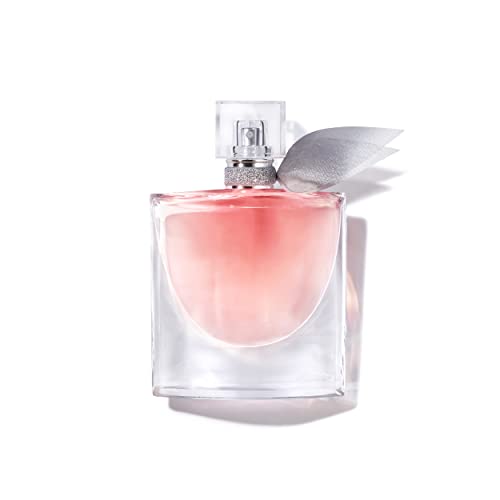
For the gourmand row, the reference point is Lancôme La Vie Est Belle: iris and patchouli under warm vanilla and spun sugar, sweet but structured rather than syrupy. It is also a lesson in strength, because a scent built like this needs one spray, not three, and it shows why gourmands belong to cooler days and evenings in the season section below.
Read a Perfume in Three Acts: Top, Heart, and Base
Every perfume unfolds in stages because its ingredients evaporate at different speeds. The light, volatile materials leave first, the heavier materials stay for hours, and the scent you buy should be the one that is still beautiful in the final stage. A volunteer evaporation study measured exactly this, tracking how fragrance molecules left the skin of different volunteers at different rates depending on the molecule and the skin. IFRA makes a related point in its questions about fragrance, noting that a formula is a blend of natural and synthetic molecules and that what matters is the assessed level of each, not whether an ingredient sounds simple or complex.
The opening is advertising, the drydown is the product
Top notes are the sparkling first impression, often citrus, green, or fruity, and they can be gone quickly. Heart notes carry the stated character, usually the flowers, spices, or fruits the bottle is sold on. Base notes, woods, musks, vanilla, and resins, are the drydown that lingers on skin and fabric. Counter testing rewards the opening, slow testing rewards the drydown your colleagues and clothes will actually live with. Treat the first spray the way you treat the first page of the titles in our fashion magazine guide, as an invitation, not a verdict.
One fresh example worth testing properly
For readers who love the citrus and fresh row, Dolce and Gabbana Light Blue is a useful benchmark because its bright opening makes the three-act lesson obvious. The opening feels like lemon peel and crisp apple, then it settles much softer and closer than the first minute promised. If you still like its quiet final stage, fresh scents may be your family. If you only liked the sparkle, you have learned cheaply that you need a heart and base with more weight.

Dolce&Gabbana New Light Blue, Eau De Toilette Spray, For Women - 30 ml / 1. fl.oz
New starting from 98.00 $
The preservation work of the Osmothèque underlines the same point. A composition is a structure over time, not a single smell, so testing should take hours, not minutes.
Why the Same Perfume Smells Different on You
Skin chemistry is a loose phrase for several real effects. Skin hydration, surface texture, and how much water your skin loses all change how fast fragrance molecules evaporate, as the evaporation research found when it compared more volatile compounds against heavier, more lipophilic ones across volunteers. Your own body odor is the other half of the equation. In the perfume and body odor study indexed on PubMed, blends of a person’s own odor with a perfume they had chosen themselves were rated more pleasant than blends with an assigned perfume, which suggests people often pick scents that sit well with their own odor without knowing why.
Your nose is not your friend’s nose
Perception differs as much as skin does. Research on genetic variation in olfactory receptors sequenced the receptor repertoire of hundreds of people and found that variation in a single receptor frequently changed how intense or pleasant an odorant seemed. That is why one wearer calls a musk clean and another cannot smell it at all, and why reviews are clues, never evidence. A related review of scent and person perception shows fragrance also changes how the wearer feels and is perceived. A signature should make you feel more like yourself, not merely impress a stranger.
Fragrance is not deodorant, and the difference matters
Perfume is designed to add a chosen scent, not to manage body odor at its source. That job belongs to a different product category entirely, which is why our women’s deodorant guide exists separately and why layering a strong perfume over a day that needed deodorant rarely works. The blend research in the body odor study makes the same point scientifically. Perfume interacts with your odor and creates a mixture, it does not erase what sits underneath it. Start clean, then scent.
Test on Skin, in Stages, Not on a Strip in a Hurry
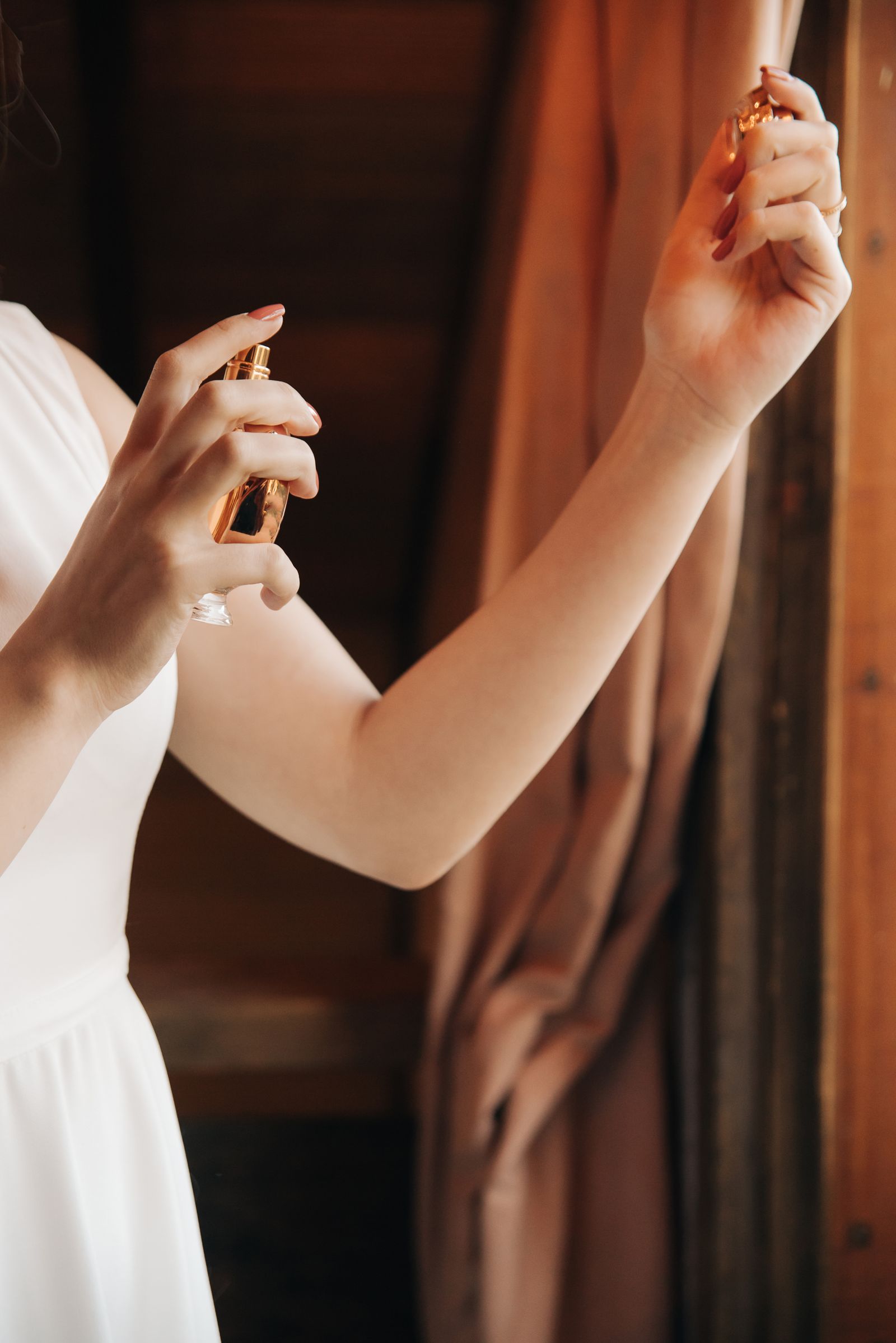
Paper strips are for elimination, not selection. Use them to discard families you dislike, then move finalists to skin, one per wrist, and leave the store. Smell each at the opening, after an hour, and in the evening, and note what changed and how far it projected. That log is worth more than a shelf of samples tested in one frantic afternoon. The patience is similar to the technique in our nail polish application guide, where waiting between layers decides the result.
Test one variable at a time
Wear one candidate per day, on clean skin, without scented lotion competing underneath. The AAD guidance on testing new skin products makes the underlying principle plain for sensitive readers, apply a new product to a small patch first and watch it before committing widely. Perfume deserves the same discipline for a different reason, honesty. If you test three scents at once, adaptation blurs them and the loudest, not the best, wins. The olfactory receptor research explains part of that blur, since your receptors respond unevenly across odorants, so a scent can seem to vanish while a companion scent still registers clearly.
Use discovery sets and travel sizes as testing tools
The cheapest honest test is a small one you can repeat. A discovery set lets you wear each candidate on a separate day, in real weather, with real clothes. A refillable travel atomizer does the same job for a counter exclusive, carrying a few days of one scent so the test continues after the shopping trip ends. Used this way, it turns a single counter spray into a fair trial, and later it becomes how your signature travels.
Repeat wears also protect you from buying for the wrong life. A scent tested only on a Saturday may fail at your desk, in the heat described in our best swimsuits guide, or beside the products in your hair care routine. Test where you actually live.
Match Concentration, Season, and Occasion
Concentration describes how much fragrance oil sits in the bottle, and it changes strength and staying power more than character. Eau de toilette reads lighter, eau de parfum denser and longer lasting, and pure parfum closest and richest. Neither is better. A lighter concentration of a heavy amber can be the wearable version, while a stronger citrus is often how that family survives past lunch. IFRA notes in its fragrance questions that products are assessed for intended use and typical exposure, a reminder not to double sprays to force a light scent to behave like a heavy one.
Let weather vote
Heat amplifies and speeds evaporation, cold mutes and slows it. The skin evaporation study found release rates shift with skin properties and molecule type, and warm days push that process further. In practice, fresh and citrus scents earn their place in summer, ambers and gourmands in winter, and florals and woods across the middle. Occasion votes too. A close, soft scent suits shared offices and the getting-ready closeness of our lip plumper guide, while an evening scent can afford projection. The feeds in our celebrities to follow for fashion inspiration roundup can start a shortlist, but a screenshot cannot tell you how a scent dries down on your wrist.
A floral amber benchmark for cooler days
If your shortlist leans floral but you want evening depth, the classic floral amber profile is the benchmark to test against: a citrus opening that gives way to rose and jasmine, then a patchouli and vanilla base that lasts on fabric. Wear any candidate in this family for a full day before judging it, because the base, not the famous opening, is what a signature commitment means.
Both benchmarks here are teaching examples for a family, not ranked winners. You are locating your coordinates on the family map, then testing its best-known residents on your own skin.
If Your Skin Is Sensitive, Choose Differently
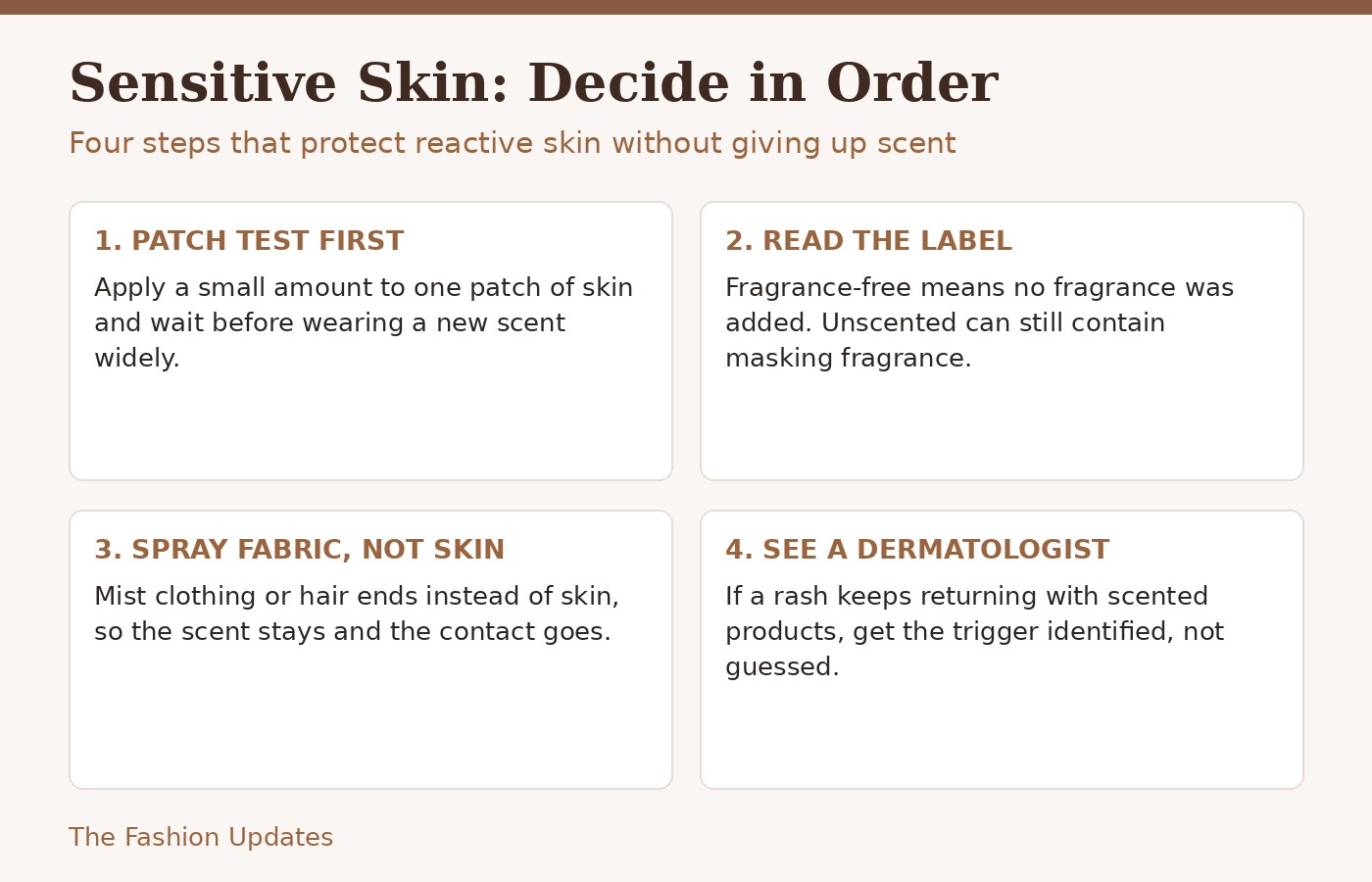
Fragrance is one of the common triggers dermatology sources name for contact reactions, so sensitivity changes the method, not just the shopping list. The FDA allergens page lists fragrances among the common allergen classes in cosmetics and advises reading ingredient panels and avoiding ingredients you know you react to. The FDA fragrance page adds that some people are allergic or sensitive to particular fragrance components even when those ingredients are safe for most people, and that United States labels may list the blend simply as fragrance.
Fragrance-free and unscented are not the same claim
Labels need translating. The AAD explains that unscented can mean a fragrance was added to mask other smells, while fragrance-free means no fragrance was added at all. The National Eczema Association makes the same distinction, recommending fragrance-free over unscented because unscented products may still contain masking fragrance. Cleveland Clinic echoes it in its guide to natural skin care labels, warning that natural does not mean reaction-proof. If scent itself is your trigger, keep the rest of your routine fragrance-free and wear perfume on clothing or hair rather than reactive skin, or skip it on flare days.
Patch first, and know when to stop guessing
The AAD eczema guidance advises choosing fragrance-free products when fragrance flares your skin and testing new products on a quarter-sized patch on the inside of the arm, daily, before wider use. The European Commission SCCS summary explains why ingredient listing of individual fragrance allergens matters, because people with an identified allergy can only avoid a substance they can see named. The IFRA Standards sit behind those labels as the industry risk system, restricting or prohibiting materials when assessments require it. If a rash keeps returning, patch testing with a dermatologist identifies the actual allergen, which beats a lifetime of vague avoidance.
Narrow a Shortlist Down to a Signature
A signature scent is not the most complimented perfume you own. It is the one you reach for without negotiating, that smells right in your climate, at your job, and in your clothes. Narrow by elimination. Drop any candidate whose drydown you merely tolerated, any that vanished before midday, and any that only worked in the store’s air conditioning. Keep the one whose final stage you kept returning to your wrist.
Give the finalist a real-life week
Wear the finalist on a workday, a warm day, and an evening out before buying a full bottle, and notice whether it survives the routine around it, from the products in our hair removal creams guide to an unscented lotion underneath. The person perception review found scent can influence self-confidence as well as how others read you, so ask the question that settles it. Do I feel more myself in this on an ordinary Tuesday, when nobody comments at all? If yes, you have a signature. For a gift, our Mother’s Day gifts guide applies the same rule in reverse, choose from what she already loves, in a testable size.
Expect your signature to be a small wardrobe
Many readers end with two or three, a fresh signature for heat, a floral or woody for most days, and an amber for night. That is not indecision, it is the family map working as intended. The Osmothèque archive preserves compositions across every family because perfumery was never one scent per person, and every bottle on your smaller shelf should earn its place the same way, through full-day skin tests.
Apply, Store, and Make It Last
Apply to pulse points where warmth helps a scent unfold, wrists, the sides of the neck, behind the ears, and do not rub wrists together, which crushes the opening. Spray once or twice and assess, because adaptation makes your scent seem weaker to you than to the room. Moisturized skin tends to hold fragrance more evenly than very dry skin, a takeaway consistent with the evaporation findings on hydration and heavier molecules, though no lotion will rescue a family you do not like.
Store bottles like the archive does
Perfume’s enemies are light, heat, and air. The Osmothèque preserves its collection protected from light, heat, and oxygen, and your version is simple. Keep bottles capped, upright, in a dark drawer or their boxes, away from bathroom steam and sunny shelves. IFRA observes in its fragrance questions that fragrances can change over time and that a changed scent or color, or new irritation, is a reason to stop using a bottle.
Our view
We believe a signature scent is found by elimination and patience, not by chasing the bottle everyone else is wearing this season. Learn your family, test on skin for a full day, judge the drydown, and let your own nose and your own life cast the deciding votes. The perfume that survives that process stops being a purchase and starts being part of how people remember you, which is the only definition of signature that matters.
— The Fashion Updates
Frequently Asked Questions
How many perfumes should I test before choosing a signature?
Shortlist by family first, then test three to five finalists on skin, one per day. More than that in a single session blurs your judgment through adaptation, and fewer than three rarely shows you the neighboring family that might suit you better.
Why does perfume last on my friend but fade on me?
Skin hydration, texture, and water loss change how fast fragrance molecules evaporate, and your body odor blends with the scent differently from hers. Concentration matters too, so compare the same concentration before concluding a scent cannot last on you.
Should I buy eau de toilette or eau de parfum?
Buy the concentration that matches how you will wear it. Eau de toilette reads lighter and suits daytime, heat, and offices. Eau de parfum reads denser, projects more, and usually lasts longer, which suits evenings and cooler weather.
Can I wear perfume if I have sensitive skin or eczema?
Proceed carefully. Choose fragrance-free products for the rest of your routine, patch test any new scent as dermatology guidance advises, consider spraying fabric instead of reactive skin, and stop and seek advice if a rash repeats, because patch testing can identify the specific allergen.
How do I know a perfume has gone off?
Trust change. If the color has darkened noticeably, the opening smells sour or flat compared with how it began, or a familiar bottle suddenly irritates your skin, retire it. Correct storage in a dark, cool, capped place delays that day considerably.
How We Pick What We Recommend
Every guide on The Fashion Updates follows the same review process — what we compare, what we check, and what we leave out.
Sources
- IFRA — Understanding the Standards
- IFRA — Questions About Fragrance
- FDA — Allergens in Cosmetics
- FDA — Fragrances in Cosmetics
- American Academy of Dermatology — How to Treat Eczema at Home
- American Academy of Dermatology — What’s Causing Your Child’s Itchy Rash?
- National Eczema Association — OTC Shampoos for Eczema
- Cleveland Clinic — Are Natural Skin Care Products Worth the Hype?
- PubMed — Psychology of Fragrance Use: Perception of Individual Odor and Perfume Blends
- PMC — Genetic Variation Across the Human Olfactory Receptor Repertoire Alters Odor Perception
- PMC — Exploring the Impact of Fragrance Molecular and Skin Properties on the Evaporation Profile of Fragrances
- European Commission SCCS — Opinion on Fragrance Allergens in Cosmetic Products
- PMC — NOMEN and the Osmothèque, Conservatoire International des Parfums
- PubMed — The Scent of Attraction and the Smell of Success: Crossmodal Influences on Person Perception