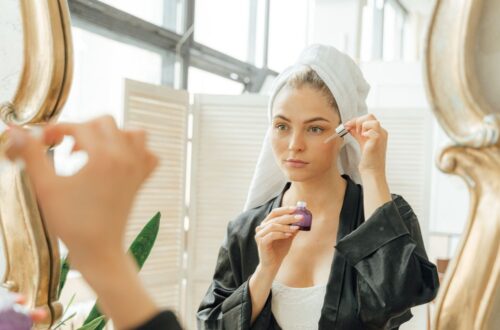
Full, plump lips have been a beauty focal point for decades, and the market has responded with everything from drugstore glosses that tingle on contact to dermatologist-administered filler. Somewhere between those two extremes sits the lip plumper — a product category that promises noticeable volume without needles, syringes, or downtime. But the category is also crowded with confusing marketing claims, vague ingredient lists, and products that do very little beyond making your lips feel warm for a few minutes. This guide breaks down how lip plumpers actually work, what ingredients are doing the heavy lifting, how to use them without irritating your skin, and how to think about plumping as part of a broader lip care routine rather than a one-time fix.
Do Lip Plumpers Actually Work?
The honest answer is that it depends entirely on what you mean by “work.” If you’re expecting the dramatic, structural change you’d get from injectable filler, a topical plumper will disappoint you. Fillers physically add volume beneath the skin using substances like hyaluronic acid gel, and the results can last months. Topical plumpers can’t do that. What they can do is create temporary, visible swelling or improve the surface texture and hydration of the lips enough that they look fuller and healthier.
There are two broad mechanisms at play. The first is irritation-based plumping, where an ingredient causes mild inflammation in the lip tissue, drawing blood to the surface and causing temporary swelling. This is the tingling, warming, sometimes stinging sensation people associate with plumping glosses. The effect is real but short-lived, typically fading within an hour or two as the irritation subsides.
The second mechanism is hydration-based plumping, which relies on humectants like hyaluronic acid to pull moisture into the lip tissue. This approach doesn’t cause the dramatic tingle, but it tends to be gentler and can contribute to a longer-term improvement in how lips look and feel, since well-hydrated lips naturally appear smoother and less prone to fine lines. Some formulas combine both approaches, using a mild irritant for immediate visual effect alongside hydrating ingredients for sustained benefit.
What Ingredients Are Actually Doing the Plumping
Reading an ingredient list on a lip plumper can feel like decoding a chemistry exam, but a handful of ingredients show up again and again, and understanding what they do makes it much easier to evaluate whether a product is likely to deliver.
Cinnamon oil and cinnamon derivatives are among the most common irritant-based plumping agents. They stimulate blood flow to the lips, which is what produces that characteristic warming or tingling sensation. Capsaicin, derived from chili peppers, works similarly and tends to produce a more intense heat. Peppermint oil and menthol create a cooling tingle rather than a warming one, but the underlying mechanism — mild surface irritation that increases blood flow — is comparable.
Ginger extract and clove oil show up in some formulas for the same reason. These ingredients aren’t inherently harmful in small, properly formulated amounts, but they are also the ingredients most likely to cause discomfort, redness, or allergic reactions in people with sensitive skin, which is worth keeping in mind before applying a new product to a delicate area like the lips.
On the hydration side, hyaluronic acid is the standout ingredient. It can hold many times its weight in water, and when applied to the lips it draws moisture into the tissue, plumping the surface gently without any irritation. Glycerin functions similarly as a humectant, and is often paired with hyaluronic acid in gentler plumping formulas aimed at people who want the look of fuller lips without the tingling sensation.
Peptides are a newer addition to plumping formulas and work differently again. Rather than causing temporary swelling, certain peptides are marketed to support the skin’s own collagen production over time, which in theory could lead to a gradual, cumulative improvement in lip fullness and texture. The science on topical peptides is promising but still developing, and results from peptide-based lip products tend to be subtle and slow to appear compared to the instant effect of an irritant-based formula.
Lip Plumper vs Lip Filler: Understanding the Difference
It’s worth being clear-eyed about the gap between what a topical plumper can do and what an injectable filler does, because confusing the two leads to unrealistic expectations. Lip filler is a cosmetic procedure performed by a licensed injector, using a hyaluronic acid gel placed beneath the skin to add structural volume. The results are immediate, dramatic by comparison, and can last anywhere from six months to over a year depending on the product used and individual metabolism.
A topical lip plumper works entirely on the surface. It cannot add structural volume the way an injectable can, and any swelling it produces is temporary, usually resolving within one to three hours. Where a plumper can genuinely help is in the day-to-day appearance of the lips — making them look slightly fuller for a night out, improving texture and smoothness, and keeping lips hydrated enough that they don’t look flat or dry, which itself can make lips appear smaller than they are. Thinking of a plumper as a makeup enhancement rather than a filler substitute sets realistic expectations and avoids disappointment.
Are Lip Plumpers Safe to Use?
For most people, occasional use of a well-formulated lip plumper is safe. The lips are thin-skinned and more sensitive than most other areas of the face, though, so a few precautions matter more here than they might elsewhere.
Patch testing is worth doing before using any new plumping product for the first time, particularly one containing cinnamon, capsaicin, or other irritant ingredients. Applying a small amount to the inner wrist or the corner of the lip and waiting a few hours can reveal whether a reaction is likely before committing to a full application. Signs of an adverse reaction include excessive burning that doesn’t subside, swelling that continues to increase rather than plateau, blistering, or hives.
People with a history of cold sores should also be cautious, since the mild trauma and increased blood flow from plumping products can sometimes trigger an outbreak in those prone to them. Anyone with known sensitivities to essential oils, particularly cinnamon or peppermint, should read ingredient lists closely, since these show up under a variety of names depending on the brand.
Pregnant or nursing individuals are often advised by their healthcare providers to be more cautious with certain essential oils and active ingredients in general, so checking with a doctor before introducing a new plumping product during pregnancy is a reasonable step, even though topical lip products are generally considered lower risk than ingested substances.
Frequency also matters. Using an irritant-based plumper multiple times a day, every day, can lead to chronic irritation, chapping, and in some cases a compromised lip barrier that actually makes lips look worse over time rather than better. Reserving stronger plumping formulas for occasions where the effect is wanted, rather than daily wear, tends to produce better long-term results for lip health.
How to Apply Lip Plumper Correctly
Application technique has more impact on the final result than people often expect. Starting with clean, gently exfoliated lips allows the product to work more evenly, since dead skin and flaking can prevent plumping ingredients from making even contact with the lip surface. A soft toothbrush or a dedicated lip scrub used once or twice a week keeps the lip surface smooth enough for products to perform as intended.
Applying plumper to the center of the lips first and blending outward tends to create a more natural-looking result than swiping directly across from corner to corner, since the center of the lips typically has more natural volume than the corners. Building up in thin layers, waiting a minute or two between applications, allows you to gauge the tingling or warming sensation and stop before it becomes uncomfortable, rather than over-applying and dealing with excessive irritation afterward.
Following a plumper with a hydrating balm once the initial effect has been evaluated can help extend the appearance of fullness by keeping the lips smooth and preventing the slight dryness that irritant-based formulas can sometimes leave behind. Avoiding harsh matte lip products immediately after using a plumping formula also helps, since matte formulas tend to be more drying and can undercut the smoothing effect the plumper just created.
Lip Plumper Side Effects to Know
Even with careful use, mild side effects are common with irritant-based plumpers and are generally considered part of how the product is meant to work rather than a sign of a problem. Temporary redness, a warming or tingling sensation, and slight swelling that resolves within a couple of hours are all expected outcomes with capsaicin, cinnamon, or menthol-based formulas.
Less common but worth watching for are prolonged burning that doesn’t ease up, visible peeling or flaking in the days following use, small bumps or a rash around the lip line, and swelling that continues to build rather than peaking and subsiding. Any of these signs are a reason to stop using the product and, if symptoms persist, to consult a dermatologist or physician rather than continuing to experiment with different formulas hoping for a better outcome.
It’s also worth noting that lips can become sensitized over time with repeated exposure to the same irritant ingredient, meaning a product that caused no reaction the first several times could eventually start to cause more noticeable irritation. Paying attention to how your lips respond over weeks and months, not just on first use, is a good habit for anyone who plans to use plumping products regularly.
Natural and DIY Lip Plumping Alternatives
For people who want a subtle plumping effect without committing to a commercial product, a few simple approaches rely on the same irritation and hydration mechanisms found in store-bought formulas, though with less predictable strength and no standardized dosing.
A very small amount of cinnamon oil diluted heavily in a carrier oil like coconut or almond oil can produce a mild tingling effect similar to commercial cinnamon-based plumpers, though the concentration is difficult to control at home and caution is warranted given how easily undiluted cinnamon oil can irritate the lips. Peppermint oil, similarly diluted, offers a cooling alternative with a comparable mechanism.
Simple exfoliation using a soft brush or a sugar-based scrub can improve the appearance of lip fullness on its own, by removing dry, flaking skin and smoothing the surface so lips catch light more evenly. Regular hydration with a plain, fragrance-free balm containing hyaluronic acid or glycerin supports the same surface plumping effect that hydration-based commercial products rely on, without any risk of irritation.
None of these home approaches will match the intensity of a formulated capsaicin or cinnamon-based commercial plumper, and that’s arguably a feature rather than a drawback for people whose lips react poorly to stronger irritant ingredients.
How Long Does Lip Plumper Last
The duration of a plumping effect depends heavily on which mechanism the product relies on. Irritant-based formulas using cinnamon, capsaicin, or menthol tend to produce their most visible swelling within the first ten to twenty minutes after application, with the effect gradually fading over the next one to two hours as the mild inflammation subsides and blood flow returns to normal. Reapplying too soon after the first effect fades doesn’t typically extend the plumping meaningfully and instead increases the risk of irritation, since the lips haven’t had time to recover between applications.
Hydration-based formulas behave differently. Because they work by drawing and holding moisture in the lip tissue rather than triggering a temporary inflammatory response, their effect builds more gradually and also fades more gradually, often lasting several hours rather than one or two. Some people find that consistent use of a hydration-based plumper over days or weeks leads to lips that look fuller even before the product is applied, simply because chronic dryness — which makes lips look thin and flat — has been addressed. This is less a plumping effect in the traditional sense and more a byproduct of better-hydrated, healthier-looking lip tissue overall.
Peptide-based products sit at the far end of the spectrum, with little to no immediate visible effect but a claimed cumulative benefit that, if it appears at all, tends to show up gradually over weeks of consistent use rather than in a single application. Anyone trying a peptide-based plumper expecting the same immediate tingle and swelling as a cinnamon-based formula is likely to be disappointed, since the two categories are solving different problems on different timelines.
Who Should Think Twice Before Using Lip Plumpers
While most people can use a topical lip plumper without any significant issue, a few groups have good reason to be more cautious or to skip irritant-based formulas altogether. Anyone with a known history of contact dermatitis or frequent allergic reactions to skincare ingredients is more likely to react to the concentrated botanical extracts common in plumping products, and should patch test rigorously or opt for gentler, hydration-only formulas instead.
People who deal with chronically chapped, cracked, or compromised lips — whether from cold weather, dehydration, or an underlying skin condition — are generally better served by focusing on repairing the lip barrier before introducing a plumping product, since applying an irritant to already-damaged skin tends to make the discomfort worse rather than producing an appealing result. In these cases, a period of consistent, plain hydration and healing usually needs to come first.
Anyone currently using prescription topical treatments on or near the lip area, such as certain acne or anti-aging medications that can increase skin sensitivity, should check with a dermatologist before layering a plumping product on top, since the combination can sometimes amplify irritation beyond what either product would cause alone. And as with any cosmetic product applied to a sensitive area, if a reaction has occurred with a plumping product in the past, it’s reasonable to assume a similar formula could cause a similar reaction again, even from a different brand, since many of these products rely on overlapping ingredient lists.
Building Plumping Into a Real Lip Care Routine
The products that tend to deliver the best long-term results aren’t used in isolation — they’re part of a broader routine that treats lip health as the foundation and plumping as an occasional enhancement rather than a daily necessity. That routine typically starts with gentle exfoliation once or twice a week to keep dead skin from accumulating, followed by consistent daily hydration using a balm suited to your skin’s sensitivity level.
Sun protection is an often-overlooked piece of lip care, since the skin on the lips is thin and vulnerable to UV damage, which over time can contribute to thinning and loss of natural volume. A lip balm with SPF, used daily regardless of whether a plumping product is also in the routine, protects the long-term health of the lips in a way that no plumping formula can replicate.
Within that foundation, a plumping product becomes a tool reserved for moments when a fuller look is specifically wanted, rather than a product relied on every single day. Used this way, plumpers tend to perform better, irritation is less likely to become a chronic issue, and the overall condition of the lips stays healthy enough that they look good with or without a plumping product applied.
Ultimately, the best approach to lip plumpers is an informed one. Understanding the difference between irritation-based and hydration-based formulas, knowing which ingredients are likely to cause a reaction, and treating plumping as one part of a broader lip care habit rather than a shortcut will get better, safer, and more consistent results than chasing whatever product promises the biggest tingle.